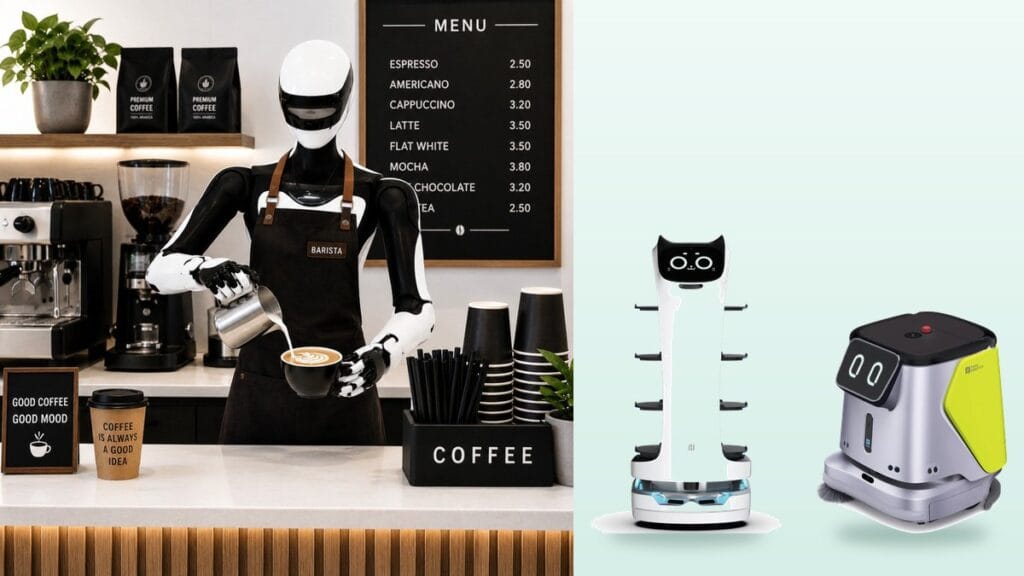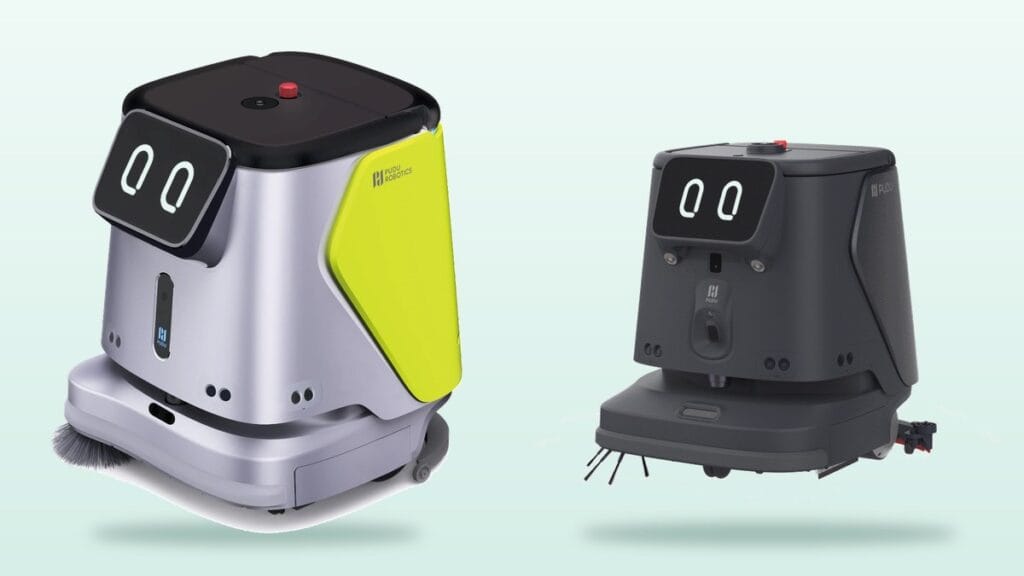
PUDU CC1 is one of the most requested commercial cleaning robots in Europe. It combines sweeping, scrubbing, vacuuming and mopping in one body, which sets it apart from robots that do only one job. Like any cleaning robot, though, it is not the right answer for every site.
This guide looks at how CC1 performs in shopping centres, hotels, hospitals, offices and warehouses, and when another model is the better buy. For the general buying criteria, read our commercial cleaning robot guide.
Contents
What makes PUDU CC1 stand out
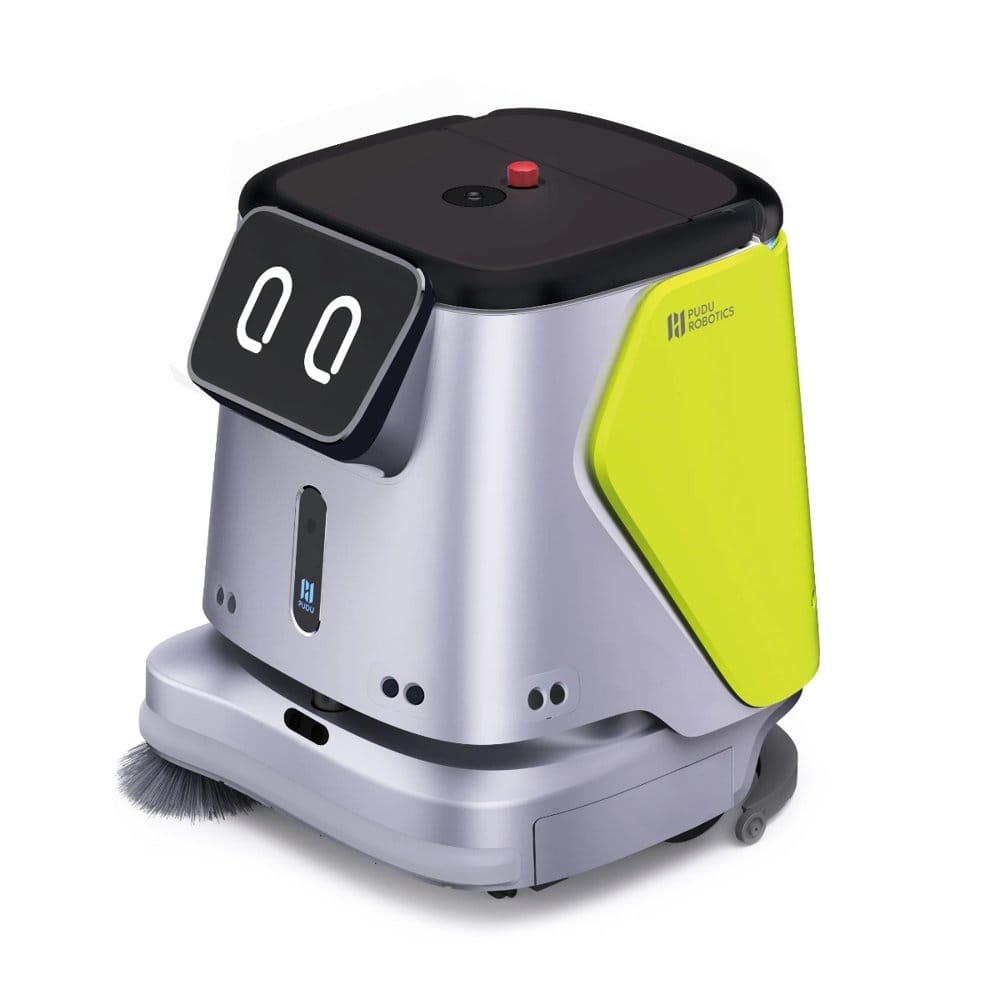
PUDU CC1 cleans roughly 700 to 1,000 m² per hour, runs up to 8 hours depending on mode and charges in about 3 hours. It navigates with visual SLAM and LiDAR SLAM together, which helps it keep its position when lighting changes, and climbs slopes of about 8 degrees.
Some retailers list 15 L clean and 15 L dirty water tanks and a 2.5 L dust bin; confirm the exact figures on your quote.
CC1 by venue type
1Shopping centres and large stores
Wide aisles and hard floors are where CC1 is most efficient. It wet-cleans at night after closing so floors are ready by morning, easing pressure on night-shift cleaning crews that many European facility service providers struggle to staff.
2Hotels
In lobbies, corridors, restaurant fronts and meeting areas, CC1 lets housekeeping focus on rooms. Test vacuum performance on carpeted corridors, which are common in European hotels.
3Hospitals and clinics
Regular wet cleaning of corridors supports infection prevention routines. CC1 takes over the repetitive part while staff concentrate on disinfection of high-risk areas, following the hospital’s own hygiene protocols.
4Office buildings
Open-plan offices, entrances and canteens suit CC1. Scheduling cleaning outside working hours avoids disturbing staff.
5Warehouses
Straight aisles between racking are no problem, but very dusty or very large warehouses are often better served by larger industrial machines.
When CC1 is not the right choice
On sites of tens of thousands of square metres, CC1’s hourly output may not be enough. There, large scrubber-dryers such as PUDU BG1 Pro or wide-area sweepers such as PUDU MT1 make more sense. Where only dry cleaning is needed on a tighter budget, lighter models such as Keenon C30 are worth a look.
Carpet-dominated spaces, very cramped rooms packed with furniture and buildings with frequent thresholds or steps also reduce CC1’s efficiency. Sharing a floor plan and floor list with the supplier before ordering avoids surprises.
CC1 or CC1 Pro?
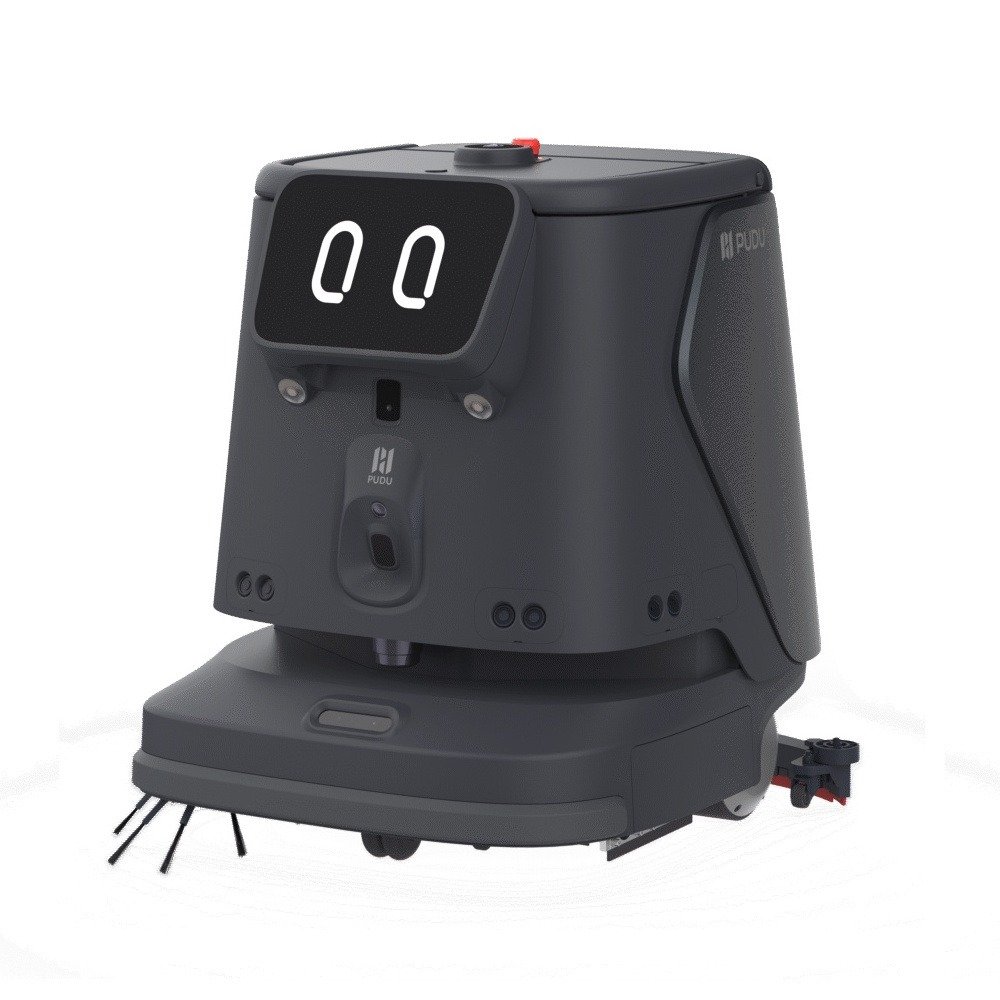
PUDU CC1 Pro is positioned as the higher-performance, AI-enhanced version for more intensive use, larger areas and more demanding perception. Ask for the technical documentation of both versions and compare them against your floor area.
Getting a quote in Europe
Share your total area, floor types and daily cleaning window. Ask about consumables, training, commissioning and whether fleet software is licensed separately. Robots Europa delivers from Dublin across the EU without customs formalities, and VAT-registered businesses can usually buy under the reverse charge; see our guide to buying a robot in Europe.
Referral note: When you request a quote from Robots Europa, mentioning Dijipedya and referral code 08AF5658 helps your enquiry be tracked correctly.
Frequently asked questions
How many square metres can PUDU CC1 clean?
Published figures are roughly 700 to 1,000 m² per hour. Real output depends on obstacles and cleaning mode.
Does CC1 work on carpet?
Vacuum mode can handle low-pile carpet; wet scrubbing is not suitable for carpet. Test on carpet-heavy sites.
Can CC1 clean several floors?
It can store a map per floor. Moving between floors usually needs staff or a lift integration.
Does CC1 need staff?
Briefly each day, to refill and empty water tanks, empty the dust bin and check brushes and pads.
Compare PUDU cleaning robots and request a quote with current stock and delivery for your country.
Affiliate link: we may earn a commission if you buy through it, at no extra cost to you.
More from Dijipedya English