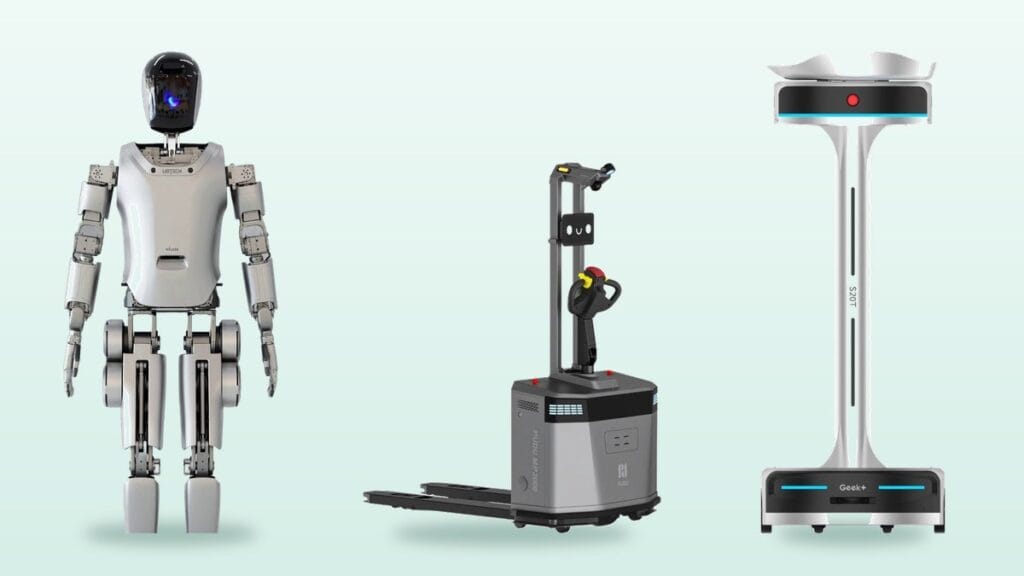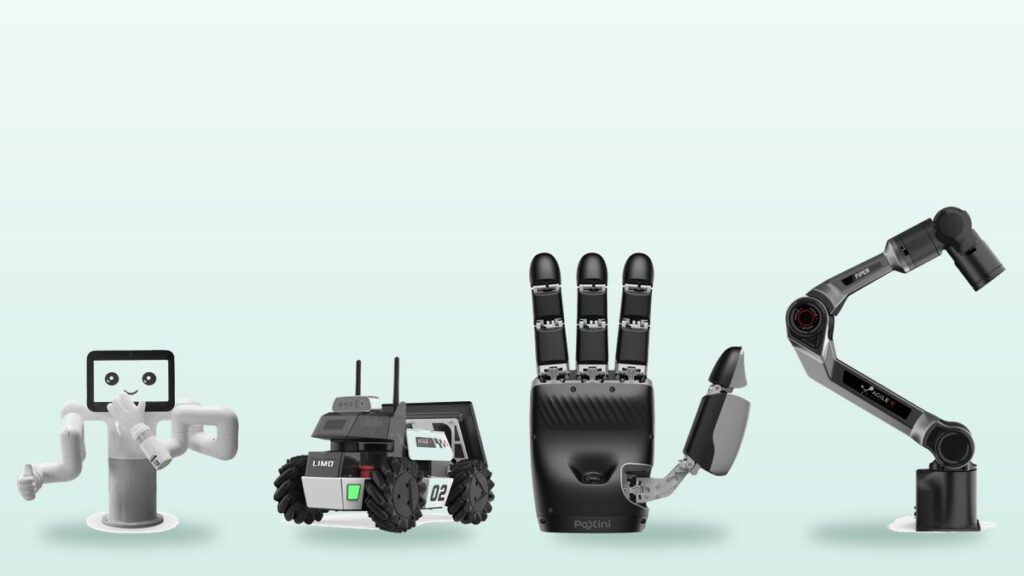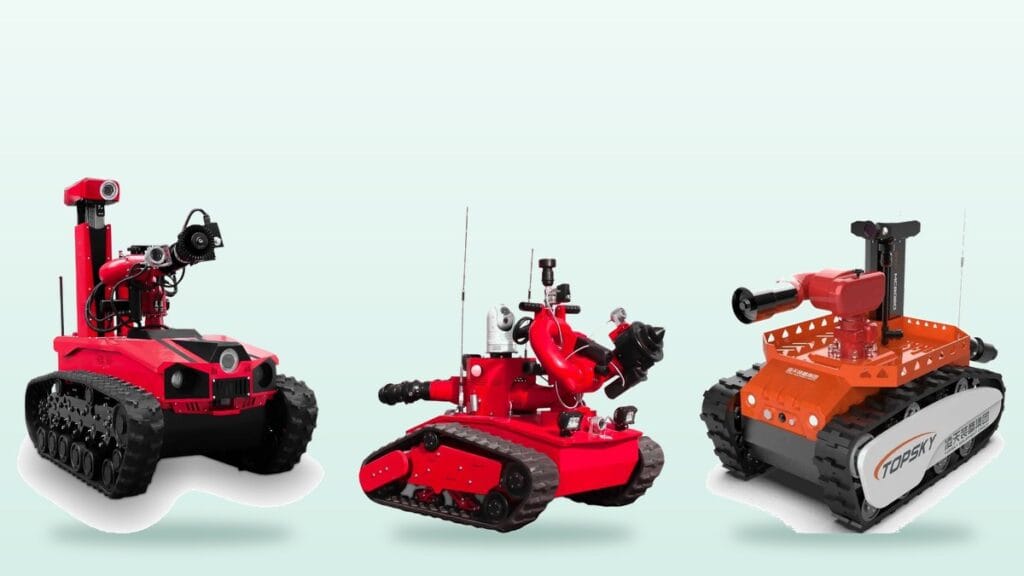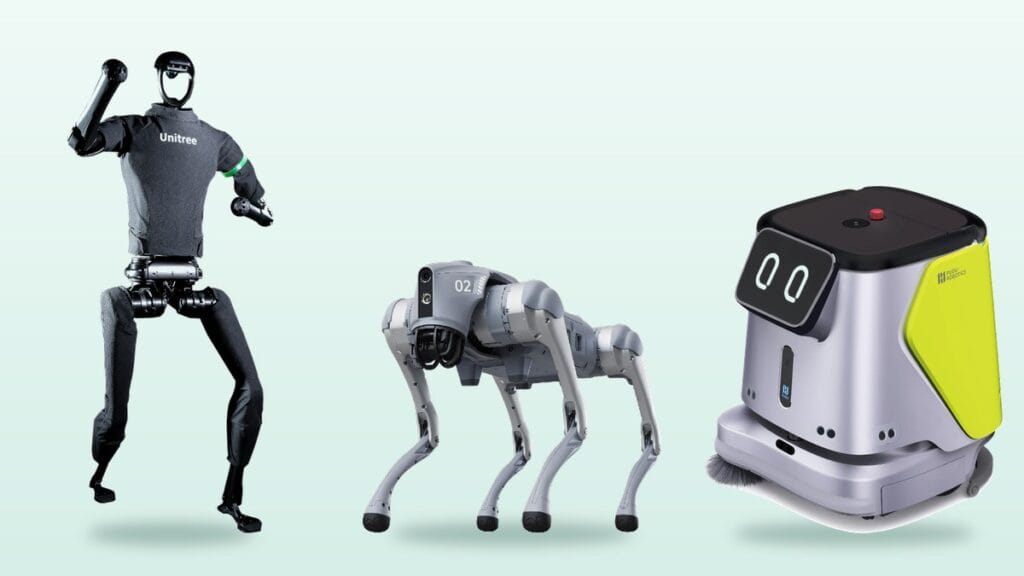
Buying a humanoid robot, robot dog or commercial service robot is not like ordering a laptop. The price is higher, the robot usually contains a large lithium battery, it may carry cameras in public spaces, and several EU rules apply. The good news is that buying inside the EU from an EU-based distributor removes most of the friction.
This guide covers the practical questions European buyers ask most: VAT, CE marking, battery shipping, GDPR and warranty. It is general information, not legal or tax advice; confirm the details that apply to you with your accountant or compliance team.
Contents
Who you are buying from
Robots Europa is a pan-European robotics distributor headquartered in Dublin, Ireland. It lists CE-certified, EU-compliant products from manufacturers such as Unitree, PUDU, Keenon, UBTECH and Deep Robotics, works on a quote basis and delivers across Europe. For buyers inside the EU, that means no import customs declarations and a European point of contact for support.
VAT: businesses, universities and consumers
1VAT-registered businesses and universities in another EU country
Cross-border sales between VAT-registered businesses in the EU normally fall under the reverse charge mechanism. The seller invoices without VAT, quoting both VAT numbers, and the buyer accounts for VAT in their own return. Your VAT number must be valid in the EU VIES system, so include it in your quote request.
2Businesses in Ireland
Domestic sales carry Irish VAT on the invoice, which a VAT-registered business can normally reclaim under the usual rules.
3Private buyers
Consumers generally pay VAT at the rate of their own country when the seller exceeds the EU-wide distance selling threshold and uses the One-Stop Shop scheme. The VAT is included in the price you pay; there is nothing extra to declare.
Public bodies and research institutions should check how their procurement rules treat cross-border purchases. Asking for a pro forma invoice early usually speeds up internal approval.
Outside the EU: UK, Switzerland and Norway
Buyers in the United Kingdom, Switzerland and Norway are outside the EU customs and VAT area. Import VAT and, depending on the product classification and origin, customs duty apply at the border, and a customs declaration is needed. Ask whether the quote is DAP (duties and import VAT paid by you) or DDP (paid by the seller), and budget for brokerage fees.
CE marking and the rules that apply
Robots sold in the EU must carry CE marking and come with an EU declaration of conformity. For most robots, three sets of rules are relevant today: the Machinery Directive, the Radio Equipment Directive for anything with Wi-Fi, Bluetooth or 4G, and the EMC and low-voltage requirements for electrical equipment. Ask the supplier for the declaration of conformity and the user manual in your language before delivery.
Looking ahead, the EU Machinery Regulation (EU) 2023/1230 replaces the Machinery Directive from 20 January 2027 and pays closer attention to machines that learn and act autonomously. If you are planning factory pilots with humanoid robots, factor this into your risk assessment. We compare humanoids with warehouse AMRs in a separate guide.
Lithium batteries and delivery
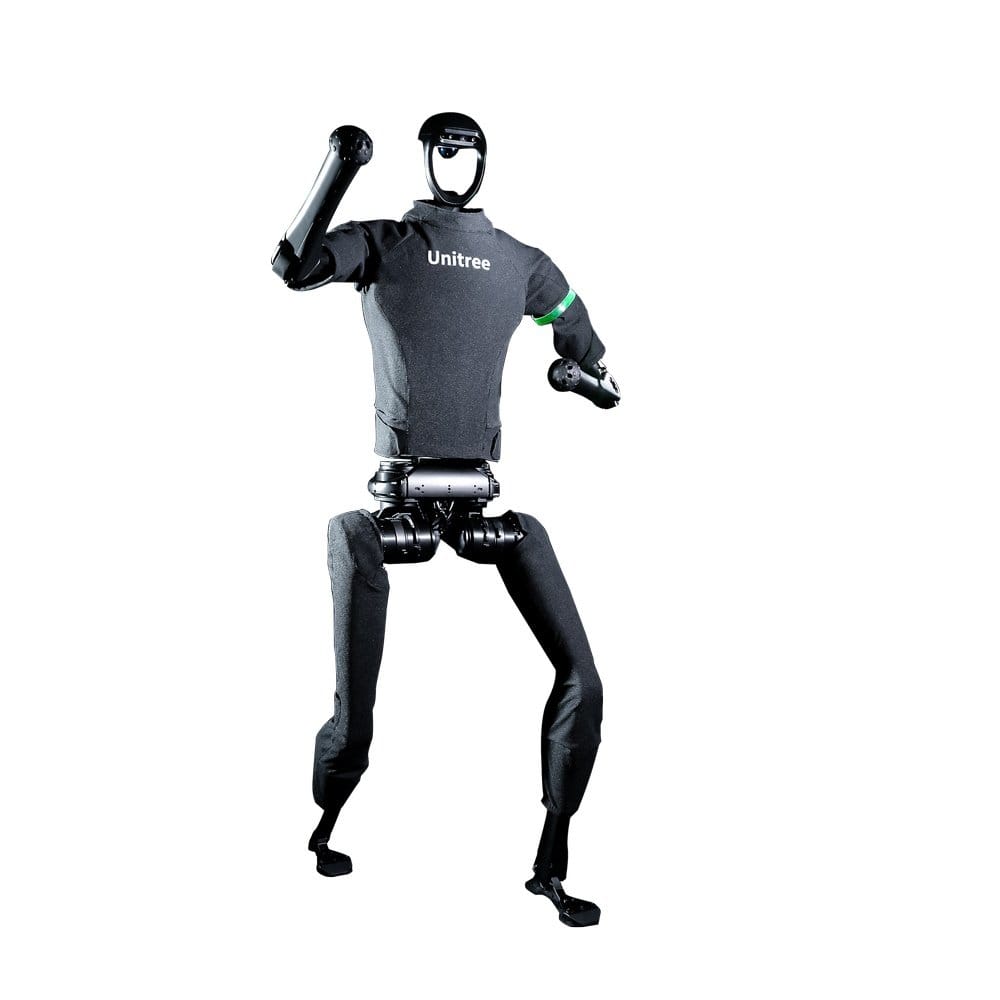
Most mobile robots use lithium-ion batteries well above 100 Wh. Unitree H1 carries an 864 Wh battery and Unitree B2 a 2,250 Wh pack. Batteries of this size ship under dangerous goods rules: a UN38.3 test summary is required, and within Europe road freight under ADR is common because air freight is more restrictive.
Two practical tips: order spare batteries together with the robot, because batteries shipped on their own face stricter rules, and follow the manufacturer’s storage charge level if the robot will sit unused for a while. At end of life, batteries fall under the EU Battery Regulation and must be returned through proper collection schemes rather than general waste.
Cameras, data and GDPR
Robot dogs, service robots and humanoids carry cameras and often microphones. If they operate where people can be identified, such as a restaurant, shop floor, trade stand or campus, GDPR applies to what they record. Decide what is stored, for how long and who can access it, display clear signage, and involve your data protection officer before deployment. Robots like Unitree Go2 Pro that stream video over 4G deserve particular attention.
Warranty and support
Consumers in the EU benefit from a minimum two-year legal guarantee against defects. Business purchases depend on the contract, so warranty length and scope vary widely: some robots listed at Robots Europa come with six to twelve months, while some Keenon models offer extended options of up to five years.
Ask what the warranty covers (battery, motors, sensors, drop damage), whether spare parts such as batteries and leg modules are sold separately, how remote support works and in which languages, and who pays shipping for warranty repairs.
Pre-order checklist
Before ordering, gather: your VAT number and invoicing details, the exact SKU and package, the delivery address and access (loading bay, lift, stairs), the declaration of conformity, the battery UN38.3 summary, warranty terms in writing, and any spare batteries or accessories you need. For model choice, see our comparisons below.
Referral note: When you request a quote from Robots Europa, mentioning Dijipedya and referral code 08AF5658 helps your enquiry be tracked correctly.
Frequently asked questions
Do I pay customs duty when buying a robot within the EU?
No. Goods moving between EU countries are not subject to customs duty. VAT is handled through reverse charge for businesses or charged at your country’s rate for consumers.
Can a university buy a robot without paying VAT upfront?
A VAT-registered university in another EU country can usually buy under the reverse charge mechanism. Check your institution’s VAT status and procurement rules.
Why does robot delivery take longer than expected?
Large lithium batteries ship under dangerous goods rules, which limits carriers and routes. Road freight across Europe is common and can take longer than parcel delivery.
Is CE marking enough for using a humanoid in a factory?
CE marking is the starting point. Deploying a robot in a workplace also requires your own risk assessment under occupational safety rules.
Explore Robots Europa’s CE-compliant robots and request a quote for delivery anywhere in Europe.
Affiliate link: we may earn a commission if you buy through it, at no extra cost to you.
More from Dijipedya English