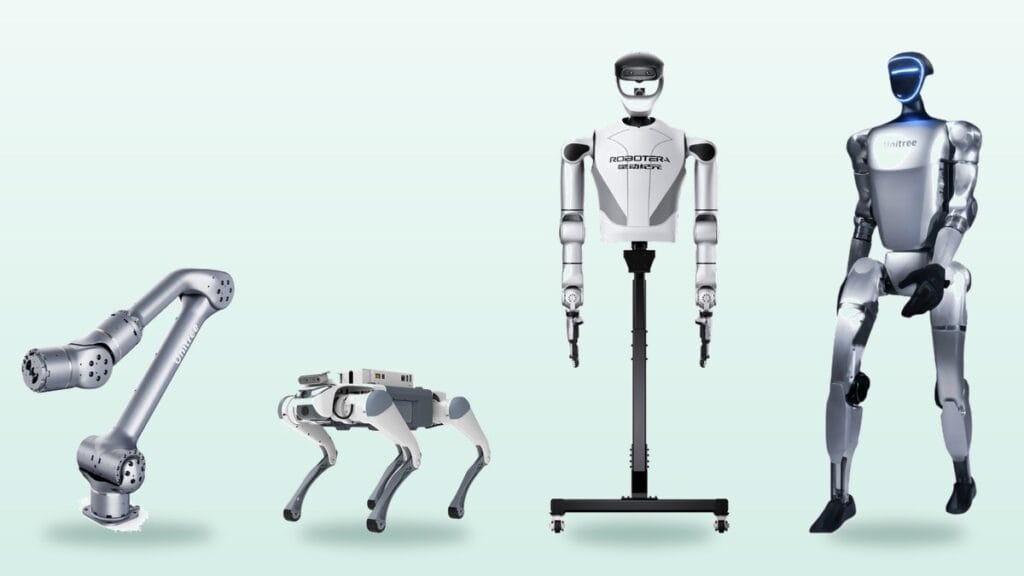
Many buyers are surprised when a robot dog or humanoid is ready to ship but delivery still takes weeks. The most common reason is not the robot itself but the lithium-ion battery inside it. The large batteries in mobile robots are classed as dangerous goods for transport, even within the EU.
This guide explains why robot batteries are hard to ship, which capacities trigger which rules, and what you can do to speed up delivery. For VAT, CE and the rest of the buying process, see our guide to buying a robot in Europe.
Contents
Why robot batteries are regulated
Lithium-ion batteries store a lot of energy. If damaged, short-circuited or overheated, they can go into thermal runaway, a self-sustaining heating process that can lead to fire. Such fires are very hard to fight in an aircraft hold, which is why air transport rules are especially strict.
International rules treat batteries in three ways: batteries installed in equipment, batteries packed with equipment but separate, and batteries shipped on their own. Spare batteries shipped alone face the strictest rules.
Watt-hours and the 100 Wh threshold
Transport rules measure battery size in watt-hours (Wh). The calculation is simple: voltage multiplied by amp-hours. A 48 V, 10 Ah battery is 480 Wh.
100 Wh is the key threshold. Small batteries below it benefit from some simplifications. Larger ones are fully regulated as dangerous goods, with specific labelling, a dangerous goods declaration and packaging prepared by trained staff. Almost every mobile robot is above this line.
Battery sizes in popular robots
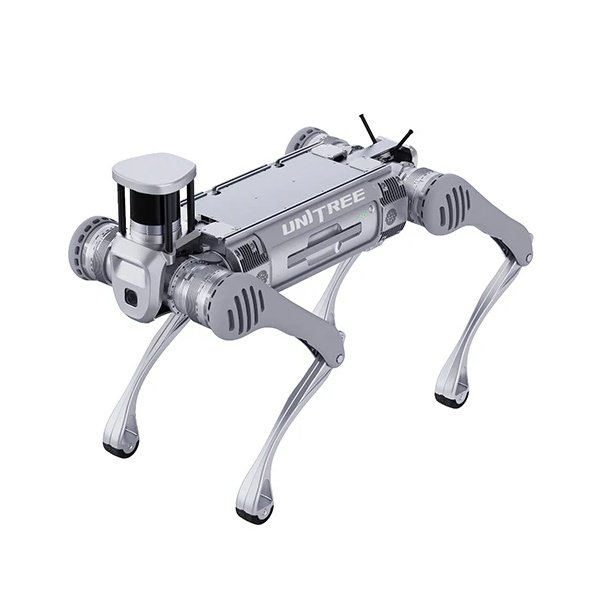
| Robot | Battery | Shipping implication |
|---|---|---|
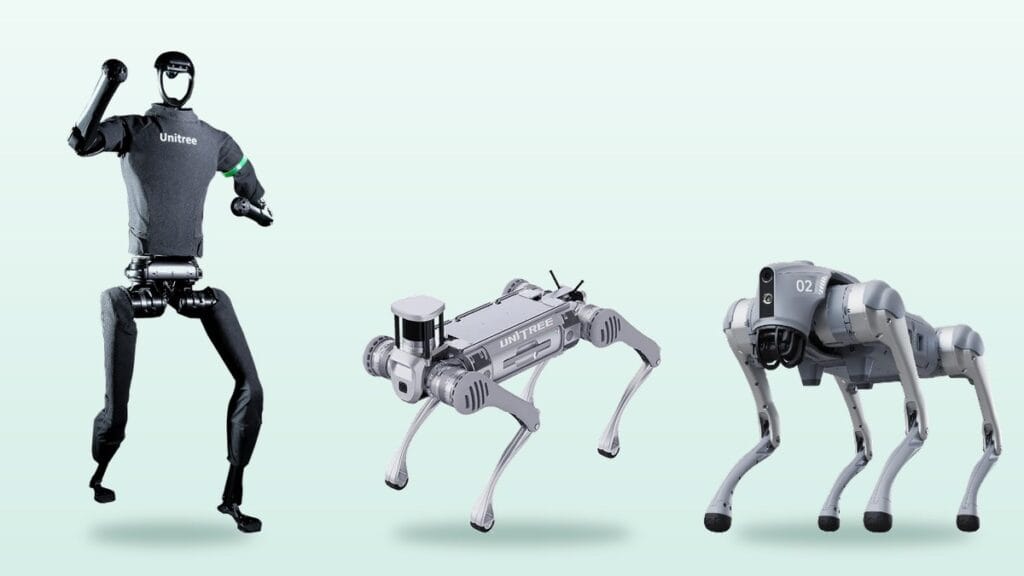
| Unitree H1 | 864 Wh quick-swap battery | Around nine times the 100 Wh threshold |
| Unitree B2 | 45 Ah, 2,250 Wh | Very large; road or sea freight is usually preferred |
| Unitree Go2 | 8,000 mAh standard, 15,000 mAh long-life option | Spare battery orders need separate planning |
| Deep Robotics LYNX M20 | About 3 h per battery, 1.5 h charge | Industrial users often run several spare batteries |
Values are based on retailer pages. On large platforms such as Unitree H1 and Unitree B2, the battery is a significant part of the robot’s weight and shapes the whole logistics plan.
Road, air and sea within Europe
1Road freight across Europe
For deliveries from Robots Europa’s Dublin base to mainland Europe and within the continent, road freight under the ADR agreement is the most common route for battery-powered robots. Dangerous goods rules still apply, but they are more workable than for air. It takes longer than air but is usually more economical.
2Air freight
The fastest option and the most restrictive. Batteries over 100 Wh are declared as dangerous goods, and not every airline accepts them. Lithium-ion batteries shipped on their own must generally travel at no more than 30 percent state of charge. Damaged or recalled batteries cannot fly at all.
3Sea freight
Used for industrial projects with very large robots or many units, for example to Ireland from the continent or to island destinations. It is the slowest route and not suited to urgent deliveries.
Documents needed for shipping
Shipping requires the battery’s UN38.3 test summary, which documents resistance to altitude, temperature, vibration, shock and short circuit. A safety data sheet, the correct UN number and dangerous goods labels are also needed. Batteries installed in or packed with equipment are declared under a different UN number from batteries shipped alone.
The seller prepares these documents, but asking about them at quote stage makes the process clearer. At end of life, robot batteries fall under the EU Battery Regulation and must go through proper collection and recycling schemes.
How to avoid battery-related delays
1Order spare batteries with the robot
Spare batteries sent later on their own face stricter rules and a separate dangerous goods shipment. Planning them in from the start saves time and cost.
2Clarify the route and terms on your quote
Ask how the robot will ship, the estimated lead time and whether dangerous goods charges are included.
3Plan your timeline around the battery
If you have a fixed date, such as a trade fair or the start of a semester, order several weeks early. For events, see our renting vs buying guide.
4Store batteries correctly
Do not leave robot batteries fully charged or fully empty for long periods. Follow the manufacturer’s storage charge level and temperature range.
Referral note: When you request a quote from Robots Europa, mentioning Dijipedya and referral code 08AF5658 helps your enquiry be tracked correctly.
Frequently asked questions
Can a robot battery be shipped by air?
Yes, but it must be declared as dangerous goods, packed correctly and accepted by the airline. Many sellers prefer road freight within Europe.
Do the rules change if the battery is inside the robot?
Yes. Batteries installed in equipment have more workable rules than batteries shipped alone, but above 100 Wh a dangerous goods declaration is still required.
Who provides the UN38.3 document?
The battery or robot manufacturer. Asking the seller for the summary before shipping speeds things up.
Can a damaged battery be returned under warranty?
Damaged batteries face very strict rules and cannot travel by air. Contact the seller’s technical support first for instructions.
Request a quote with delivery and battery shipping details for your country.
Affiliate link: we may earn a commission if you buy through it, at no extra cost to you.
More from Dijipedya English