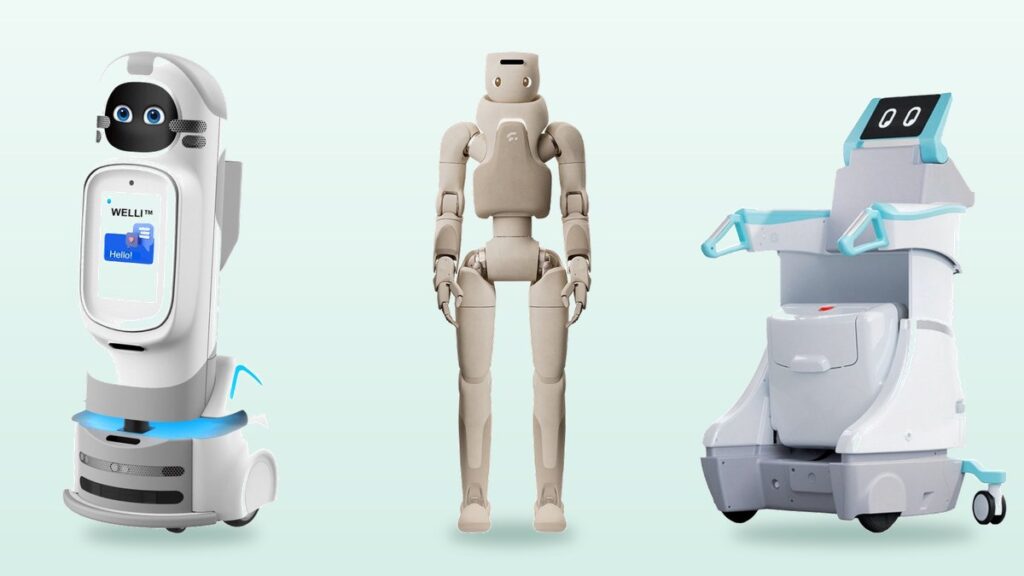
Europe’s population is ageing faster than care staff can be recruited. Care homes and home-care services are looking for help with the tasks that take time away from people: reminders, walking practice, carrying items, keeping residents engaged. Care and companion robots will not replace carers, but they can give carers more time for the human part of the job.
This guide covers the care-focused robots available from Robots Europa and how to introduce them responsibly. It is part of our healthcare robots guide.
Contents
Why care settings are looking at robots
Typical uses include video calls with family, medication and appointment reminders, cognitive games and conversation, guided walking and exercise, and transporting items between rooms. Telepresence lets relatives or clinicians check in remotely. Robots that move people, such as smart chairs, help residents travel independently inside a building.
Care and companion robots compared
| Model | Type | Highlights |
|---|---|---|
| UBTECH WELLI | Companion and telepresence robot | Autonomous indoor navigation, video calls |
| UBTECH WASSI | Smart walking trainer | 750 x 645 mm, height-adjustable 930 to 1,430 mm, 65 kg, LiDAR and 3D camera |
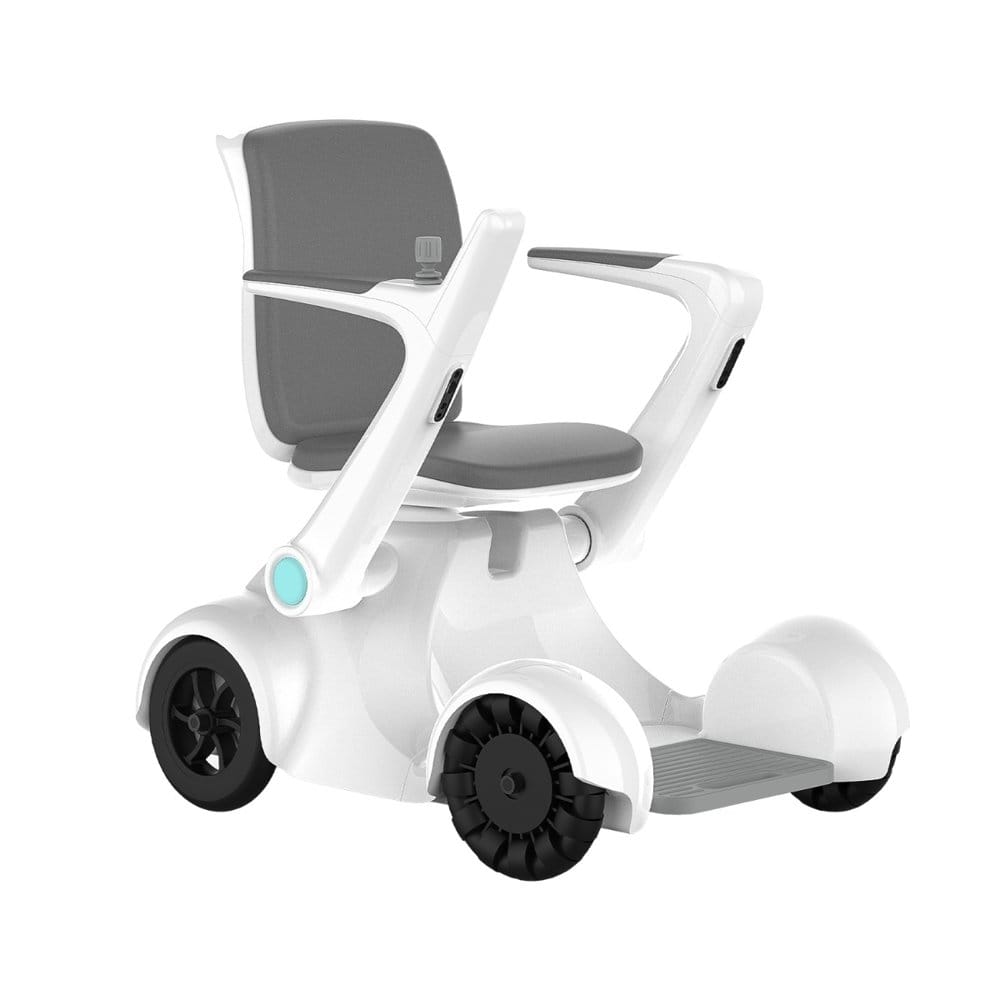
| UBTECH PATHFYNDER | Smart autonomous chair | Mapped navigation and fail-safe obstacle handling |
| Fourier GR-3 Care-Bot | Care-focused humanoid | Touch sensors, voice, gaze tracking; about 3 h per battery |
| Alpha Robotics Timo | Compact service robot | Voice interaction and guided activities |
The models in detail
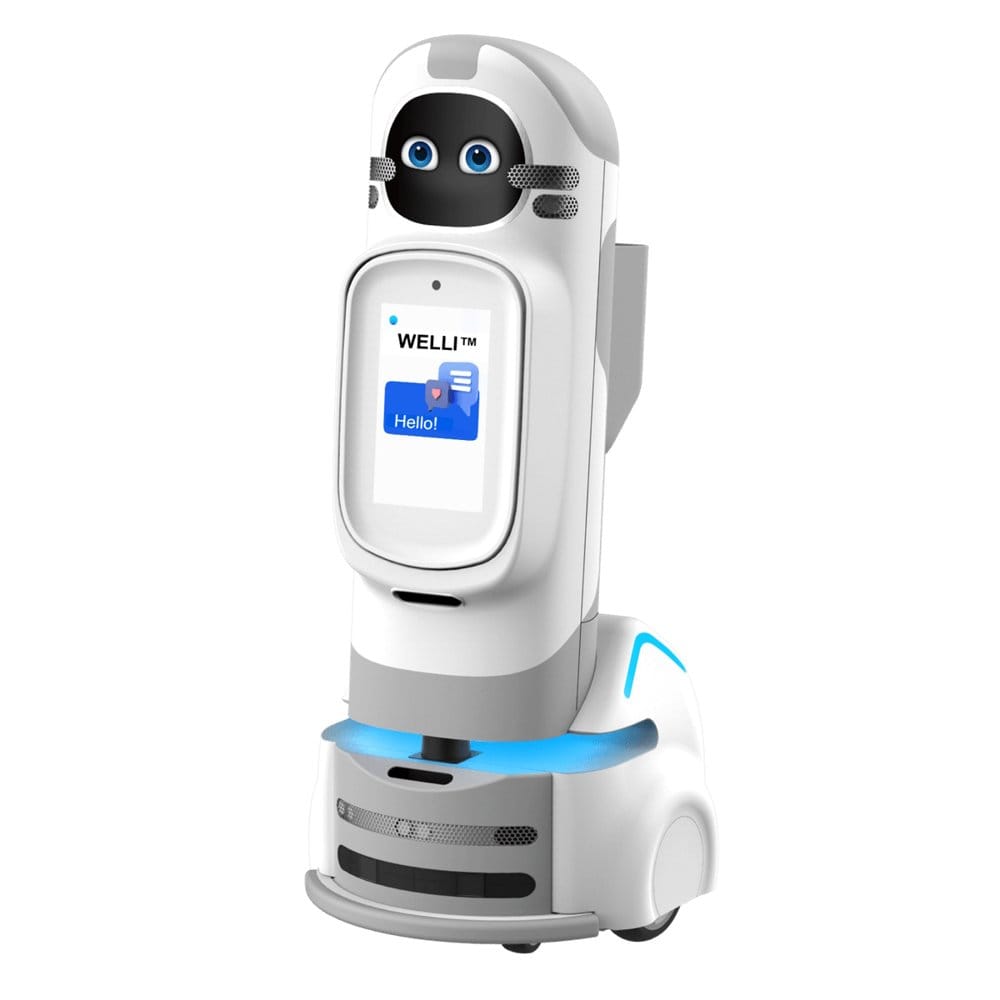
UBTECH WELLI is an autonomous indoor companion robot with navigation, obstacle avoidance and video calling, used for check-ins, reminders and social interaction in corridors and common rooms.
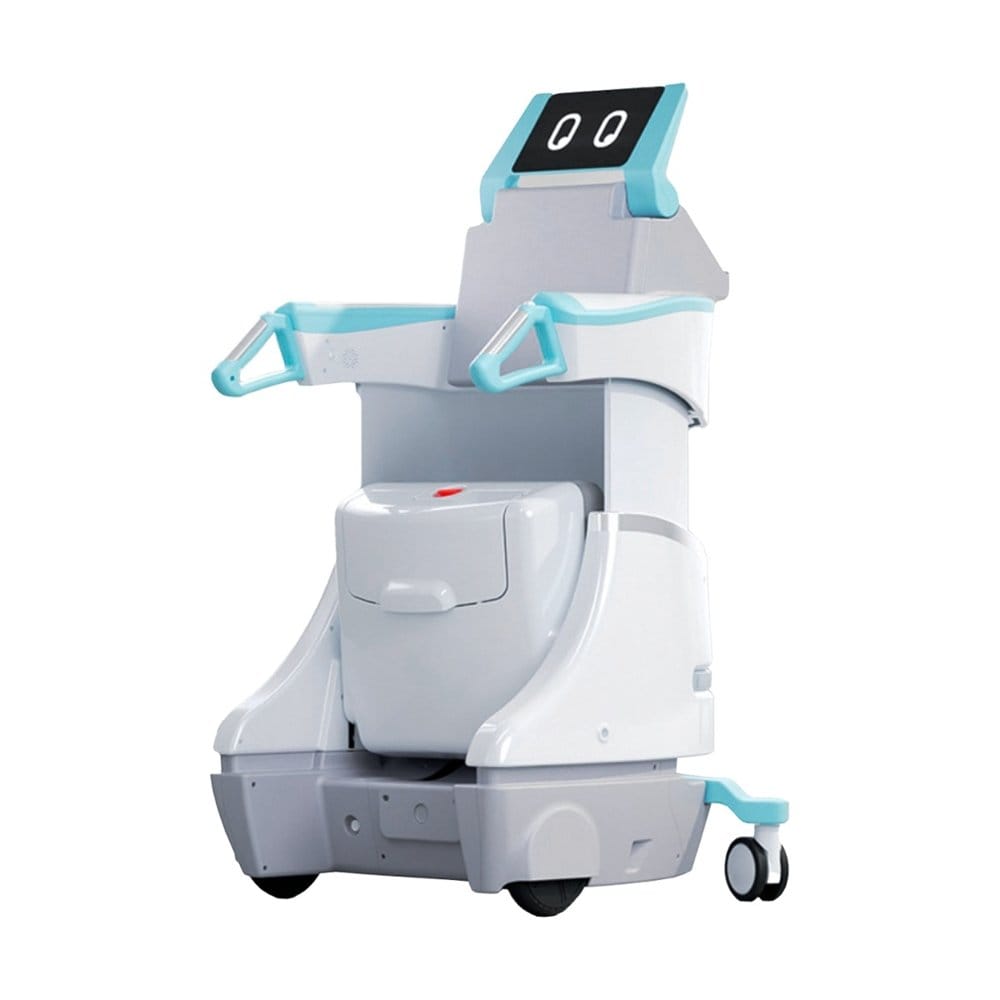
UBTECH WASSI is a smart trainer for walking support. The manufacturer lists a 750 x 645 mm footprint, an adjustable height of 930 to 1,430 mm and a weight of 65 kg, with LiDAR, ultrasonic and infrared sensors, a 3D camera, an IMU and a microphone array. PATHFYNDER is a smart chair that drives residents through mapped indoor routes.
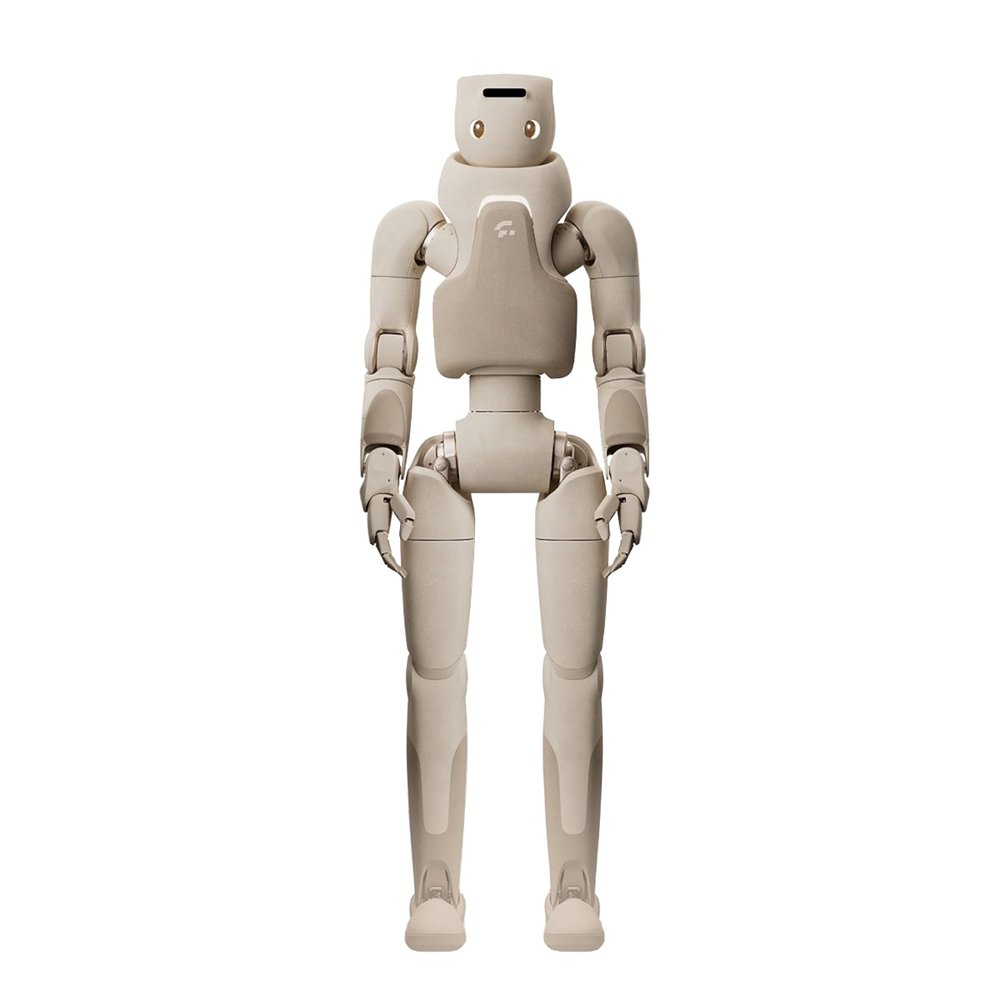
Fourier GR-3 Care-Bot is a 165 cm humanoid designed around interaction rather than speed, with 31 pressure sensors for touch, a microphone array, facial recognition and gaze tracking. It suits research and pilots in care settings; see our humanoid comparison for context.
Dignity, privacy and consent
Care robots raise questions that delivery robots do not. Residents should know what the robot does, what it records and who can see the data. Under GDPR, video and health information are sensitive, and consent must be meaningful for people with cognitive impairment, often involving families or legal representatives. The EU AI Act requires that people know when they are interacting with an AI system and prohibits manipulative techniques. Design use around dignity: robots should add contact, not replace it.
Starting a pilot in a care home
1Pick one clear task
Reminders, walking practice or family video calls are good first pilots.
2Involve staff and residents
Co-design the routine with carers and residents; acceptance decides success.
3Measure what matters
Track carer time saved, resident engagement and satisfaction, not just robot uptime.
4Check compliance
GDPR, AI transparency and, for any therapeutic claim, medical device rules. Delivery and VAT are covered in our buying guide.
Referral note: When you request a quote from Robots Europa, mentioning Dijipedya and referral code 08AF5658 helps your enquiry be tracked correctly.
Frequently asked questions
Can robots replace carers in care homes?
No. They take over reminders, transport and some activities so carers have more time for personal care and contact.
Is a companion robot a medical device?
Usually not, unless it is marketed with a medical purpose. Therapy and diagnostic functions fall under the Medical Device Regulation.
How do care robots protect privacy?
Through clear notices, minimal recording, access controls and GDPR-compliant consent. Agree the setup with your data protection officer.
Which care robot is best to start with?
A companion and telepresence robot such as UBTECH WELLI is a simple first step for many care homes.
Compare care, companion and hospital robots and request a quote for your facility.
Affiliate link: we may earn a commission if you buy through it, at no extra cost to you.
More from Dijipedya English