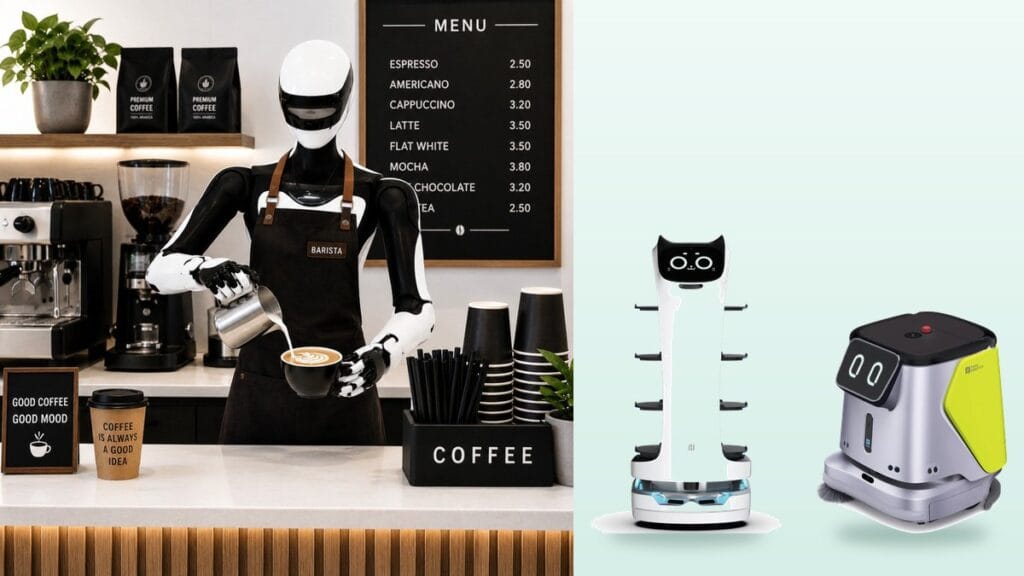
A robot café draws families, tourists and tech fans, and it spreads fast on social media. But the robot alone does not keep a café open. Coffee quality, service speed, whether the robot genuinely does useful work and realistic costs matter at least as much.
This guide covers concept choice, equipment options, permits, cost items and staffing for anyone planning a robot café in Europe. For real examples, see our overview of robot cafés and restaurants in Europe.
Contents
Start with the concept: which job does the robot do?
1Café with a delivery robot
A barista makes the coffee and a robot carries orders to tables. Most European examples follow this model. Investment is lower, setup is quick and risk is limited.
2Café with a robot barista
A robot makes the coffee while customers watch. The experience is stronger, but so are the investment and technical complexity. It usually runs as a hybrid alongside one or two baristas.
3Fully robotic experience café
Greeting, coffee, delivery and cleaning are handled by robots. It suits brand flagships in shopping centres, airports and tourist areas, with the highest investment and support needs.
Equipment options for a robot café
Coffee preparation
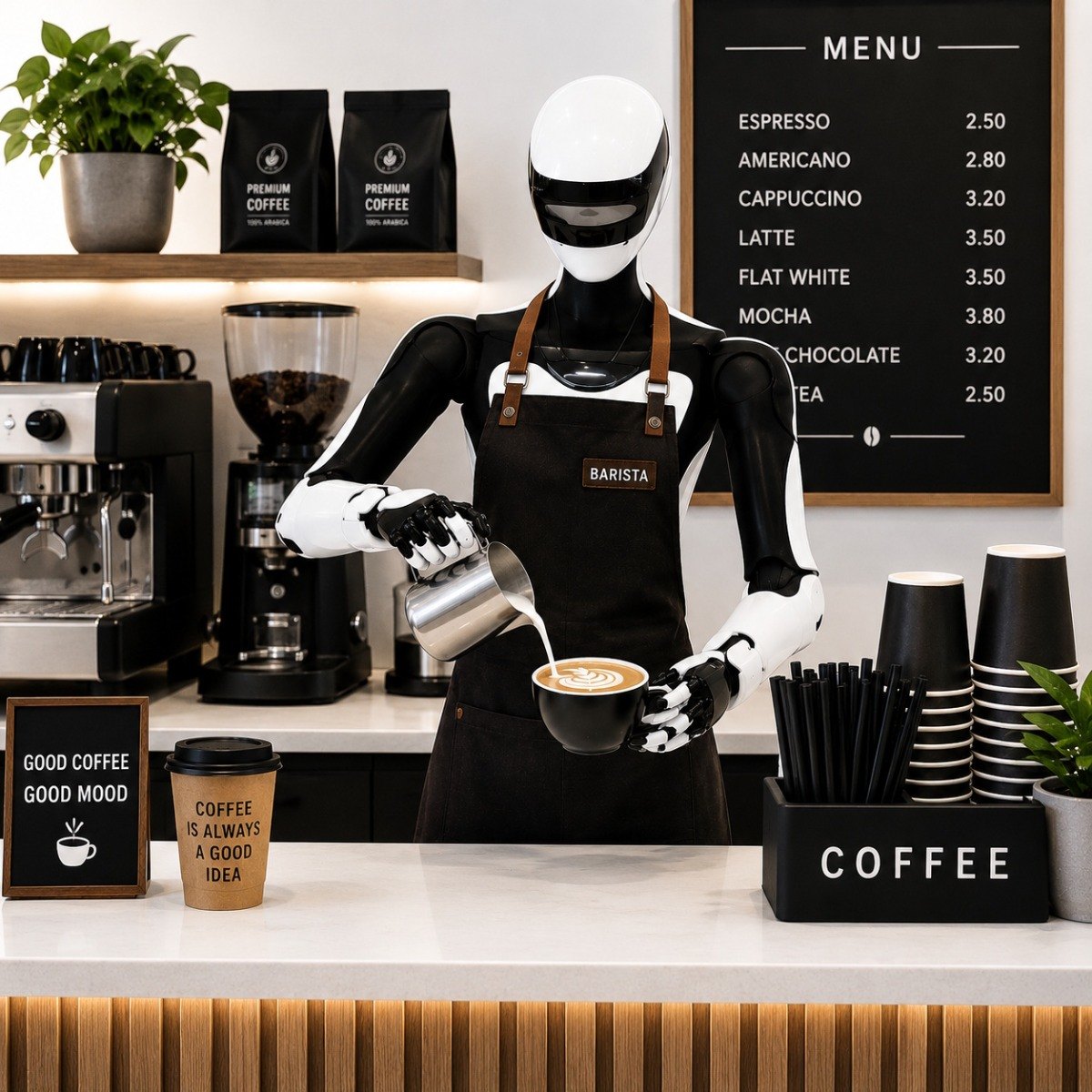
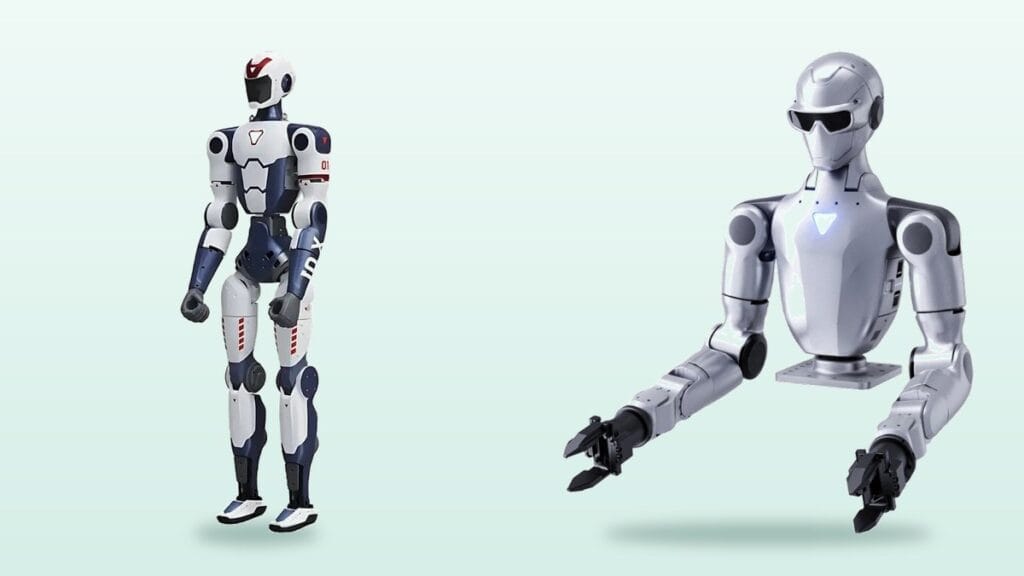
There are two main routes. One is a robot arm or kiosk working inside an enclosed coffee station. The other is software such as RoboBarista, installed on a humanoid robot open to secondary development, that uses the café’s own espresso machine. The second route keeps your equipment unchanged and puts the robot in full view of guests. We compare them in our robot barista vs coffee kiosk guide and explain the humanoid option in our RoboBarista guide.
Table service
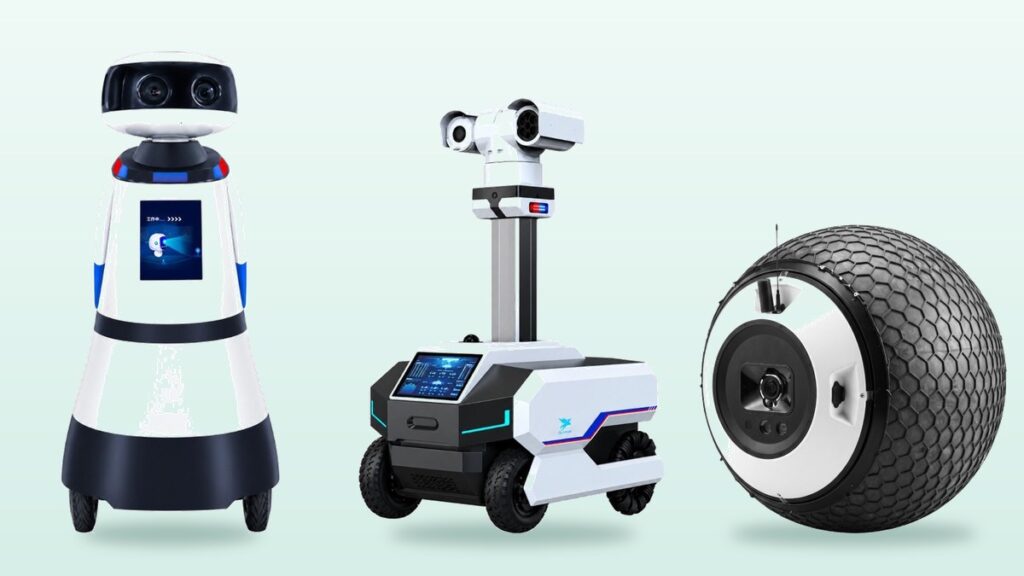
Robot waiters such as PUDU BellaBot or Keenon T8 carry orders to tables. T8 passes through 55 cm aisles, which suits compact city-centre cafés; BellaBot’s four trays suit larger rooms. See our robot waiter comparison.
Cleaning
A robot that cleans floors after closing reduces late-night staffing. For small and mid-sized spaces, models such as PUDU CC1 are worth considering; see our CC1 guide.
Bar and languages
If you plan evening cocktails, the same RoboSuite family offers the RoboTender bartender software. For international guests, RoboLingua adds conversation in more than 50 languages.
Permits and rules in Europe
Legally, a robot café is a café. Standard requirements apply: registration of your food business with the local competent authority, food hygiene procedures based on HACCP principles under EU food hygiene rules, and any local business and premises permits. Robot parts that touch food or cups must be part of your cleaning and hygiene plan, with records kept.
If the robots carry cameras in the café, GDPR applies to any footage showing guests; signage and retention rules are needed. Alcohol service adds national licensing rules. Requirements differ between countries and even cities, so plan with a local adviser and your authority.
Cost items
| Item | What it includes |
|---|---|
| Robots and software | Barista, delivery and cleaning robots; software licences; hands and accessories |
| Delivery and setup | Freight including battery shipping, installation, mapping, drink profile setup |
| Coffee equipment | Espresso machine, grinder and milk equipment if not already in place |
| Fit-out | Power, water, Wi-Fi coverage and space for the robot to work safely |
| Running costs | Maintenance, spare parts, spare batteries, software updates and insurance |
Delivery, VAT and CE within the EU are covered in our guide to buying a robot in Europe.
The role of staff
In most robot cafés people remain central. They restock beans and milk, run cleaning routines, refill consumables and handle anything unexpected. Much of the warmth guests remember comes from the person next to the robot. It is more realistic to see a robot café as a place where work is redistributed between robots and people, not a café without staff.
Step-by-step launch plan
1Choose location and audience
Shopping centre, campus, tourist area or business district: your audience and peak hours shape robot choice.
2Keep the menu focused
Start with a core menu the robot can make consistently and leave specialities to the barista.
3Ask for a demo or pilot
See how the robot handles your menu in real conditions before you commit.
4Nail down support
How many days a robot is down after a fault affects revenue directly. Use our warranty and support checklist.
5Plan the launch around content
The robot is your strongest marketing asset. Prepare short videos and social content before opening.
Referral note: When you request a quote from Robots Europa, mentioning Dijipedya and referral code 08AF5658 helps your enquiry be tracked correctly.
Frequently asked questions
Do I need a special permit for a robot café?
Generally no. The usual food business registration, hygiene and premises rules apply. Check details with your local authority.
Can a robot café run without staff?
Not in practice. Stock, cleaning, consumables and unexpected situations need people. The robot handles repetitive tasks.
What is the cheapest way to start?
A barista making coffee with a robot handling table delivery is the lowest-investment, lowest-risk model.
Does a robot barista guarantee success?
No. It adds consistency and a show, but location, coffee quality and service still decide success.
Compare café and restaurant robots and request a quote for delivery in your country.
Affiliate link: we may earn a commission if you buy through it, at no extra cost to you.
More from Dijipedya English