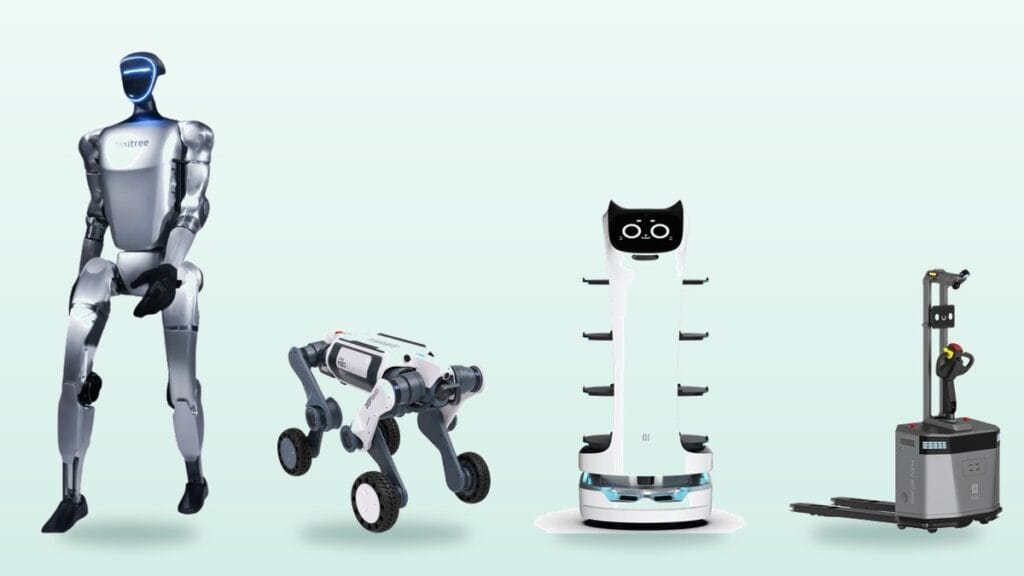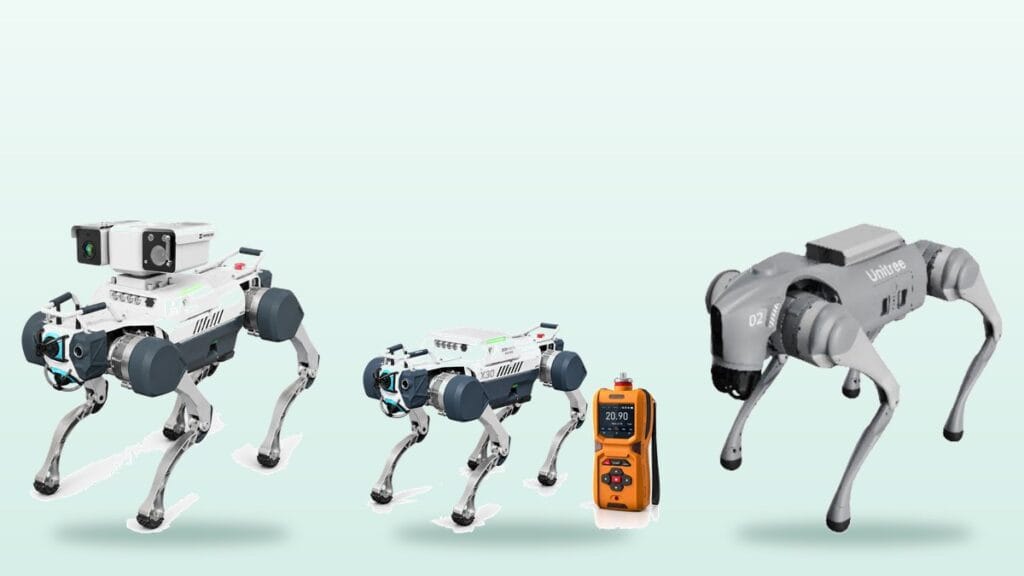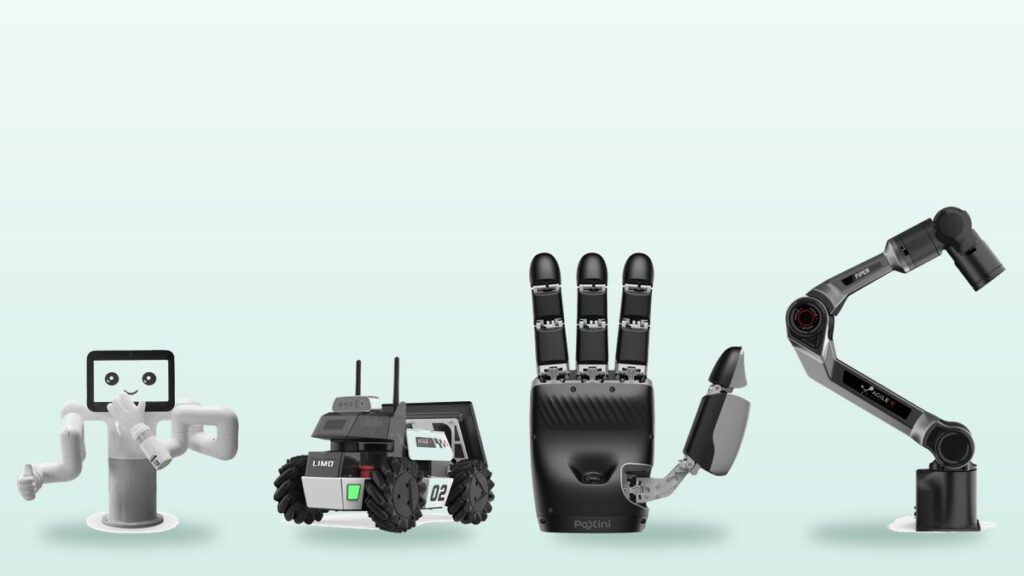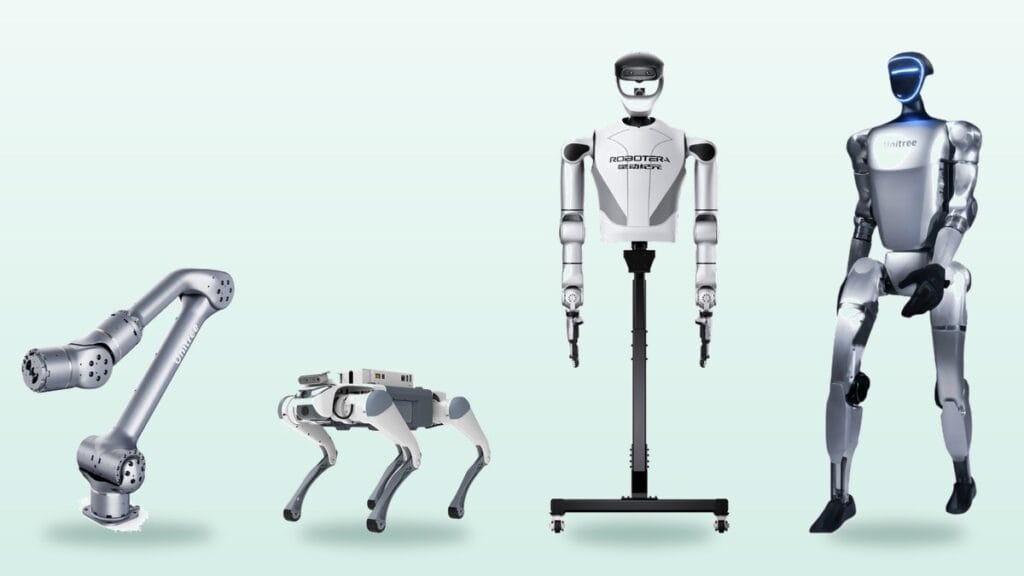
When a European department decides to build a robotics or embodied AI lab, the first question is usually “which humanoid should we buy?”. In practice, a balanced set of platforms often serves teaching and research better than a single expensive robot. Robot arms, robot dogs, upper-body robots and humanoids each answer different research questions.
This guide looks at Unitree G1 EDU, R1 EDU, Deep Robotics Lite3, Go2 EDU, the Unitree Z1 arm and upper-body robots from the perspective of a university or research lab in Europe.
Contents
Three questions to answer before choosing robots
First, research focus. Are you working on locomotion (walking and balance) or manipulation (grasping and handling objects)? Legged robots suit the first, robot arms and upper-body platforms the second.
Second, number of users. A single PhD project and a teaching lab used by 40 students each semester have different needs. Teaching labs prioritise robustness, safety and quick setup; research labs prioritise openness and low-level access.
Third, software access. Every robot bought for a lab should be the SDK and ROS 2 capable version. We explain why entry versions fall short in our guide to SDK access.
Robot platforms for a university lab
Robot arm: Unitree Z1
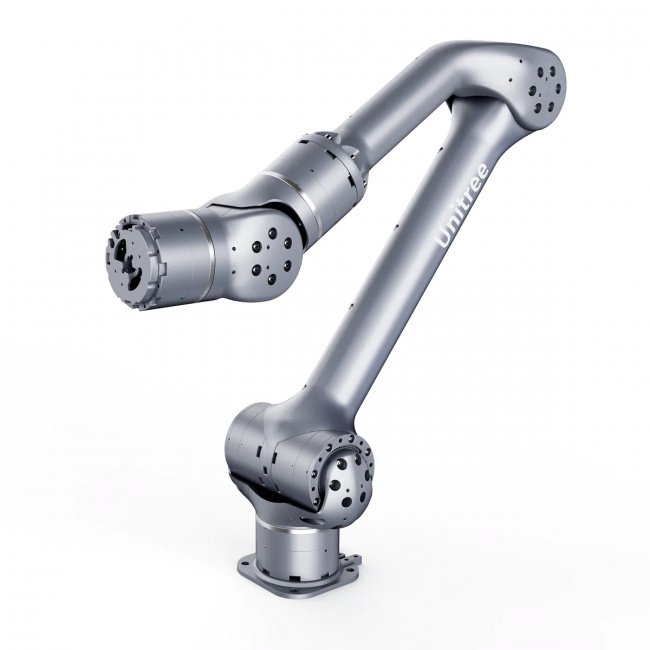
A robot arm is the most accessible starting point for manipulation. Unitree Z1 Pro weighs about 4.5 kg, carries at least 3 kg, reaches 740 mm and repeats positions to roughly 0.1 mm. It runs over Ethernet with Ubuntu and offers force feedback and collision detection. Z1 Air is a lighter option with a 2 kg payload. Because Z1 can be mounted on a robot dog, it is also used for mobile manipulation experiments.
Robot dog: Deep Robotics Lite3 and Unitree Go2 EDU
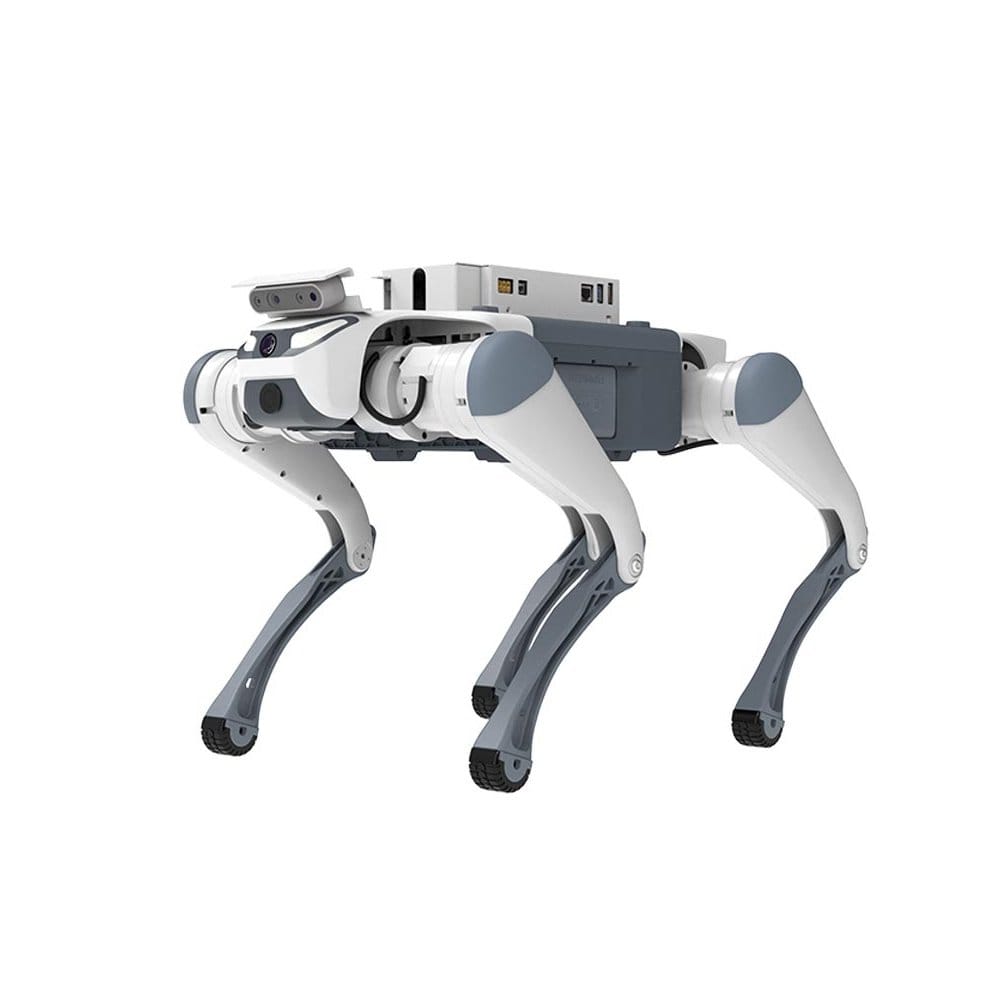
For legged locomotion, navigation and reinforcement learning, robot dogs are sturdier and more affordable than humanoids. Lite3 Pro is research-oriented, with ROS 1 and ROS 2 support, a Motion SDK exposing joint-level data and a separate Jetson Xavier NX perception computer. Go2 EDU stands out for its 4D LiDAR, 45 N.m peak joint torque and large user community. Our Go2 and Lite3 comparison goes into detail.
Upper-body robots: R1-A7 and RobotEra M7
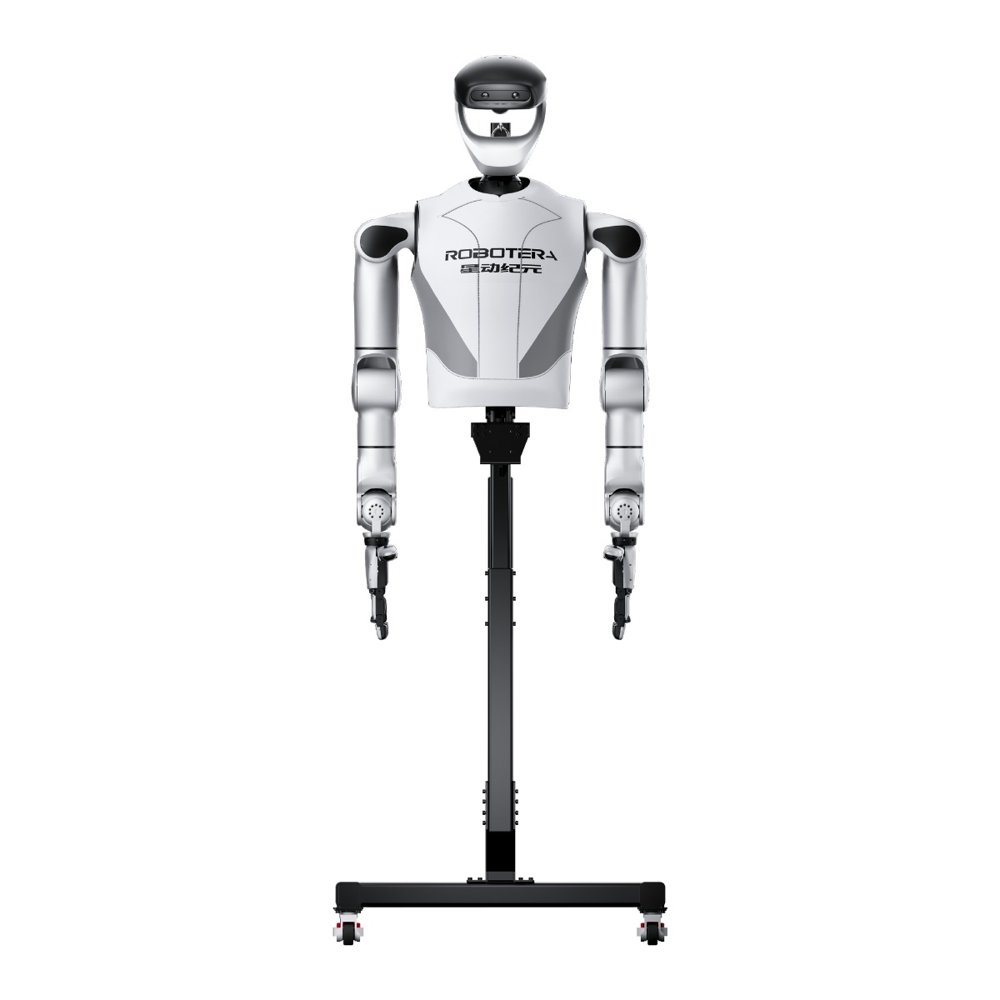
Upper-body robots are becoming popular for bimanual manipulation, teleoperated data collection and imitation learning without the complexity of walking. RobotEra M7 combines high-DOF arms on a fixed torso with XHAND dexterous hand compatibility and camera, LiDAR, force and tactile sensing. On the Unitree side, fixed-base dual-arm versions such as R1-A7 serve a similar purpose. With no fall risk, they are also safer for teaching labs.
Humanoid: Unitree G1 EDU and R1 EDU
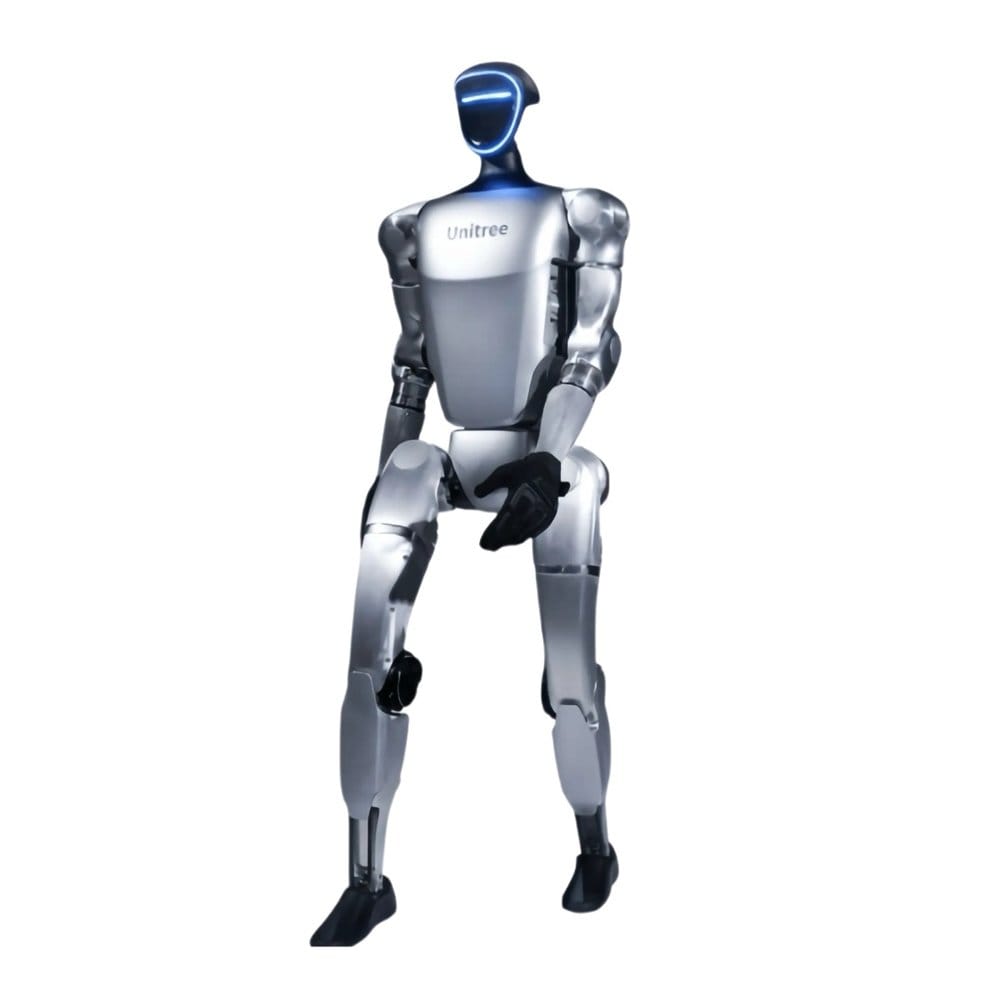
Whole-body control, human-robot interaction and embodied AI need a humanoid. G1 EDU is about 132 cm tall, carries a depth camera and 3D LiDAR and offers 23 to 43 degrees of freedom with dexterous hand options. For a lower-cost start, R1 EDU includes a full SDK, ROS 2 and a Jetson Orin module.
Which platform for which research?
| Research topic | Suggested platform | Why |
|---|---|---|
| Grasping, trajectory planning | Z1 robot arm | Easy setup, precise, low risk |
| Bimanual manipulation, imitation learning | R1-A7 or RobotEra M7 | No walking, ideal for data collection |
| Legged locomotion, reinforcement learning | Lite3 Pro or Go2 EDU | Robust and tolerant of falls |
| Mobile manipulation | Robot dog with Z1 arm | Tests movement and grasping together |
| Whole-body control, embodied AI | G1 EDU | Broad sensor suite and hand options |
| Introductory humanoid course | R1 EDU | Light, portable, full SDK |
Example lab setups
1Starter lab
One robot arm and one robot dog let you run manipulation and locomotion courses in the same semester. For most departments this is the most balanced first step.
2Embodied AI lab
An upper-body robot with a teleoperation setup for data collection, plus a humanoid to test learned skills on a full body.
3Full research centre
Arm, robot dog, upper-body robot and humanoid side by side. At this scale, safety gantries, test areas and spare batteries must be planned. For humanoid choice, see our G1, R1 and H1 comparison.
Procurement and funding in Europe
Many European universities fund lab hardware through Horizon Europe projects, ERC grants or national research councils. Delivery dates must fit the project timeline, and above certain values public procurement rules may require a formal tender or several quotes. Robots Europa works on quotes and pro forma invoices, which makes internal approval easier.
Within the EU, VAT-registered universities can usually buy under the reverse charge mechanism, and lithium battery shipping can add time. Both are covered in our guide to buying a robot in Europe. Ask for warranty, spare parts and remote support terms in writing.
Referral note: When you request a quote from Robots Europa, mentioning Dijipedya and referral code 08AF5658 helps your enquiry be tracked correctly.
Frequently asked questions
What should be the first robot in a university robotics lab?
For most departments, a robot arm or robot dog. Humanoids are more expensive, more fragile and need more safety measures.
Is ROS 2 support essential for lab robots?
In practice, yes. Most courses, simulation tools and open-source projects are built on ROS 2.
Upper-body robot or full humanoid?
If your research is manipulation and data collection, an upper-body robot is more efficient. For balance, walking and whole-body control you need a full humanoid.
Can universities buy from Robots Europa with an invoice?
Robots Europa works with institutional buyers through quotes and pro forma invoices. Exact terms depend on the product and delivery country.
Compare research-grade humanoids, robot dogs and arms and request a quote for your lab.
Affiliate link: we may earn a commission if you buy through it, at no extra cost to you.
More from Dijipedya English