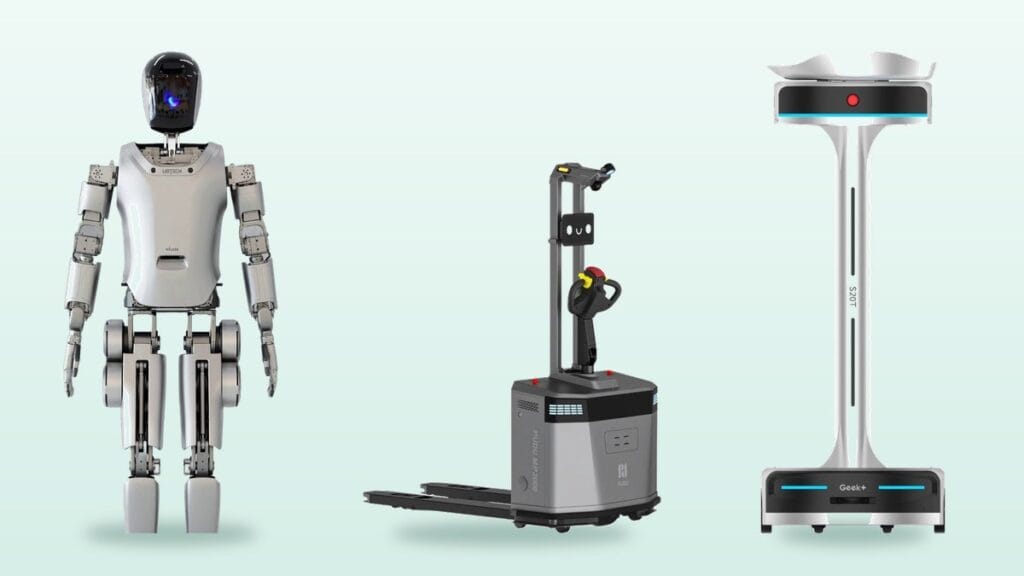
As videos of humanoids working in car plants spread, European manufacturers keep asking the same thing: should we invest in humanoid robots, or in the autonomous mobile robots (AMRs) that have been moving goods around warehouses for years? The two technologies do not solve the same problem, so the answer depends on the task.
This guide compares humanoids and AMRs using concrete factory and warehouse jobs, with the European safety framework in mind.
Contents
The core difference between a humanoid and an AMR
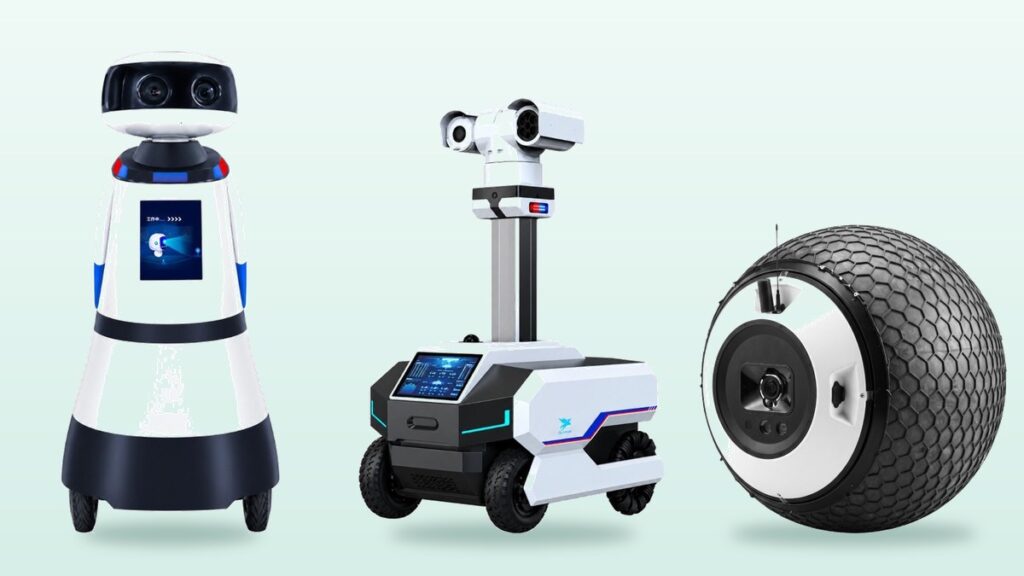
An AMR is a wheeled autonomous robot designed for one job: moving racks, lifting pallets or sorting parcels. Because the design is focused, it is fast, efficient and reliable at that job, and the technology is mature, with fleets running in warehouses across Europe.
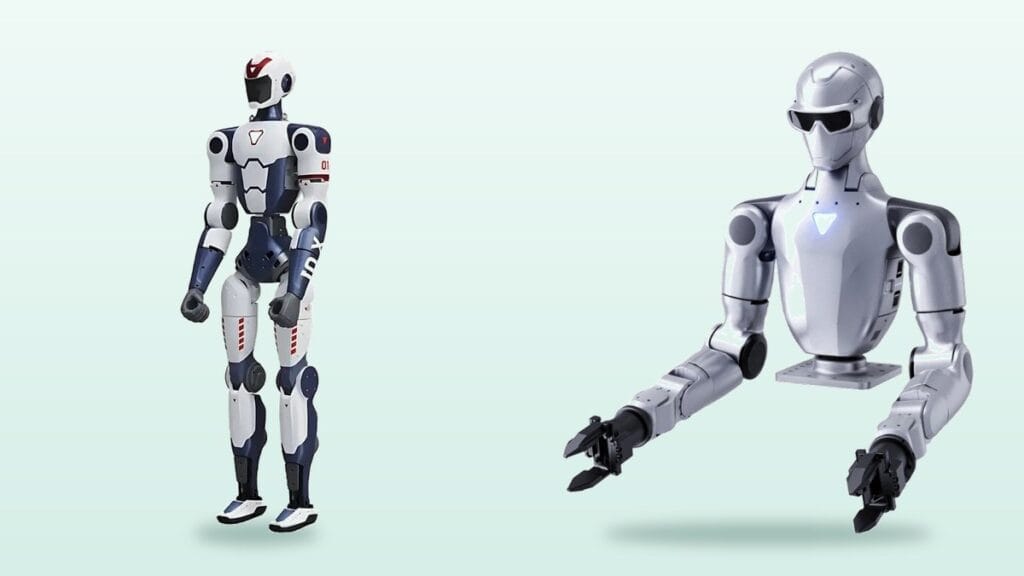
A humanoid is designed to move like a person in spaces built for people. It can climb steps, hold different objects with two hands and, in theory, move between stations doing different tasks. Its flexibility is high, but at any single task it is slower and less efficient than an AMR, and the technology is still at the pilot stage.
What AMRs do in factories and warehouses
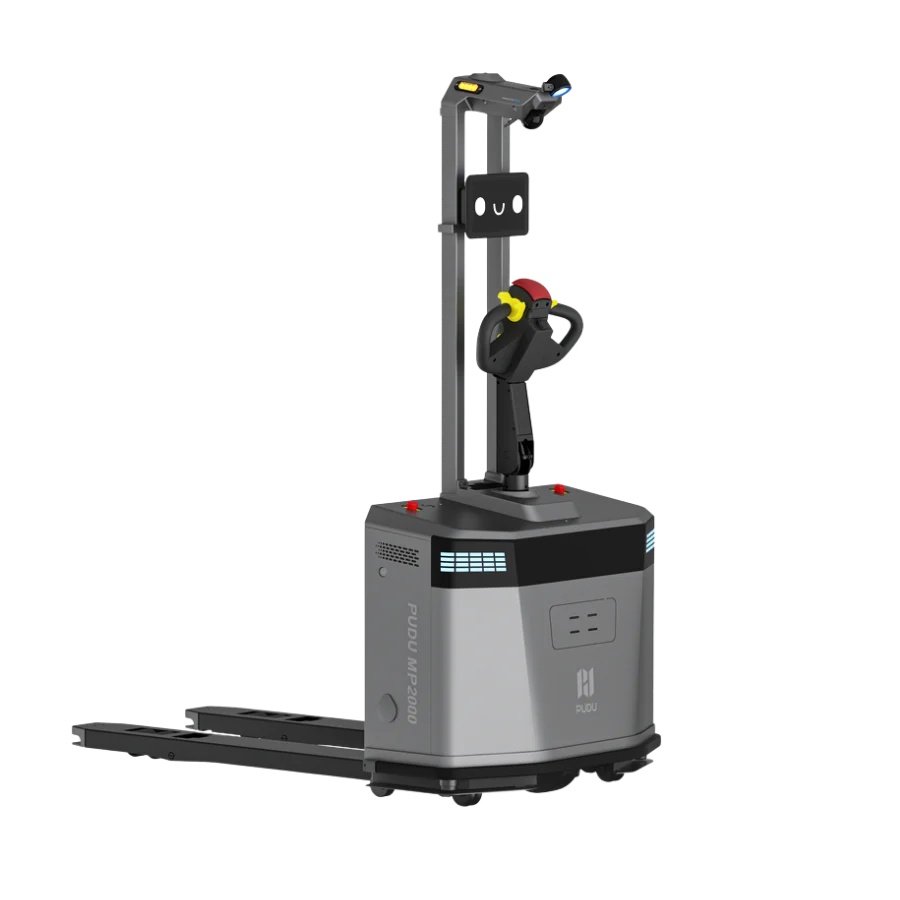
PUDU MP2000 is an autonomous pallet truck. It moves loads of up to 2,000 kg, locates itself with 3D LiDAR SLAM and visual SLAM, and picks up a pallet in about 20 seconds. It runs 12 hours unloaded or 6 hours at full load and recharges in about 2 hours. Standard and narrow-fork versions cover different pallet types, including the Euro pallets common across Europe.
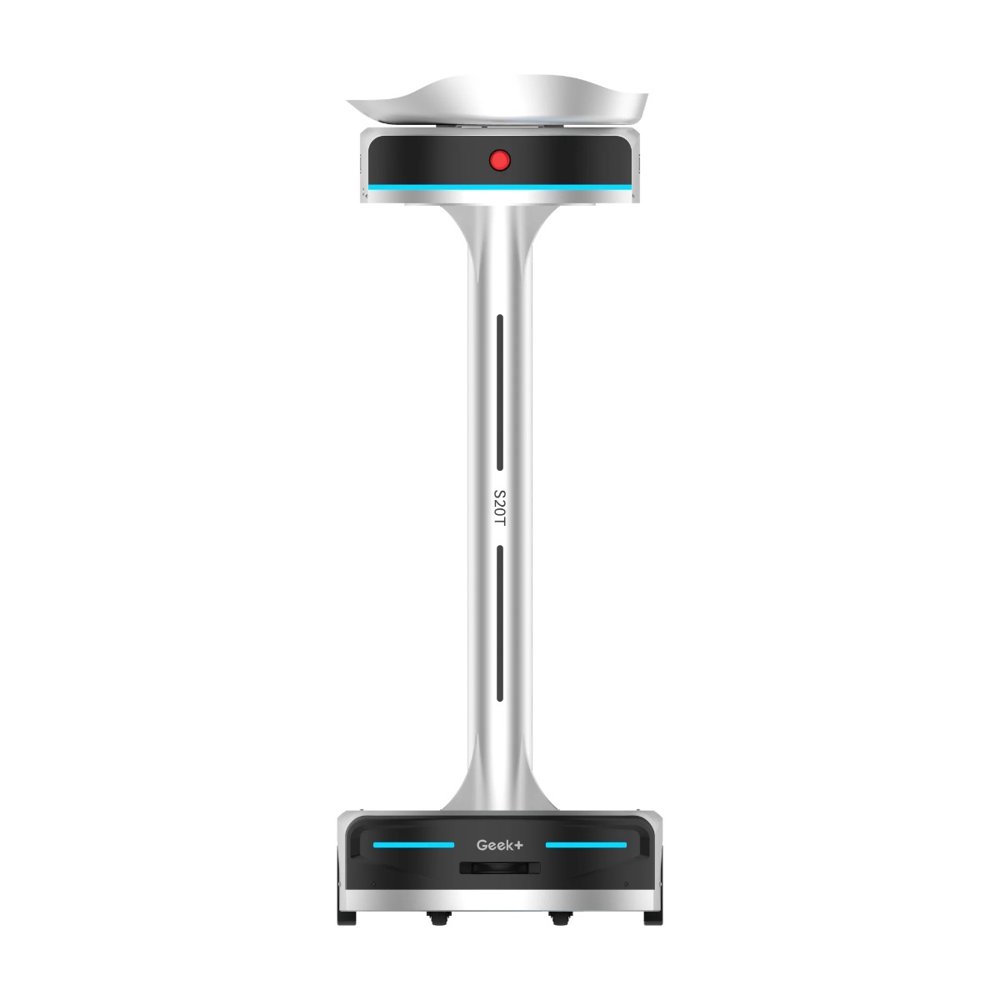
Geek+ S20T is a sorting robot for e-commerce and parcel hubs. It carries parcels or totes up to 8 kg at up to 2.5 m/s when loaded. It is deployed in fleets of dozens of robots working together, replacing manual sorting lines.
Where humanoids come in
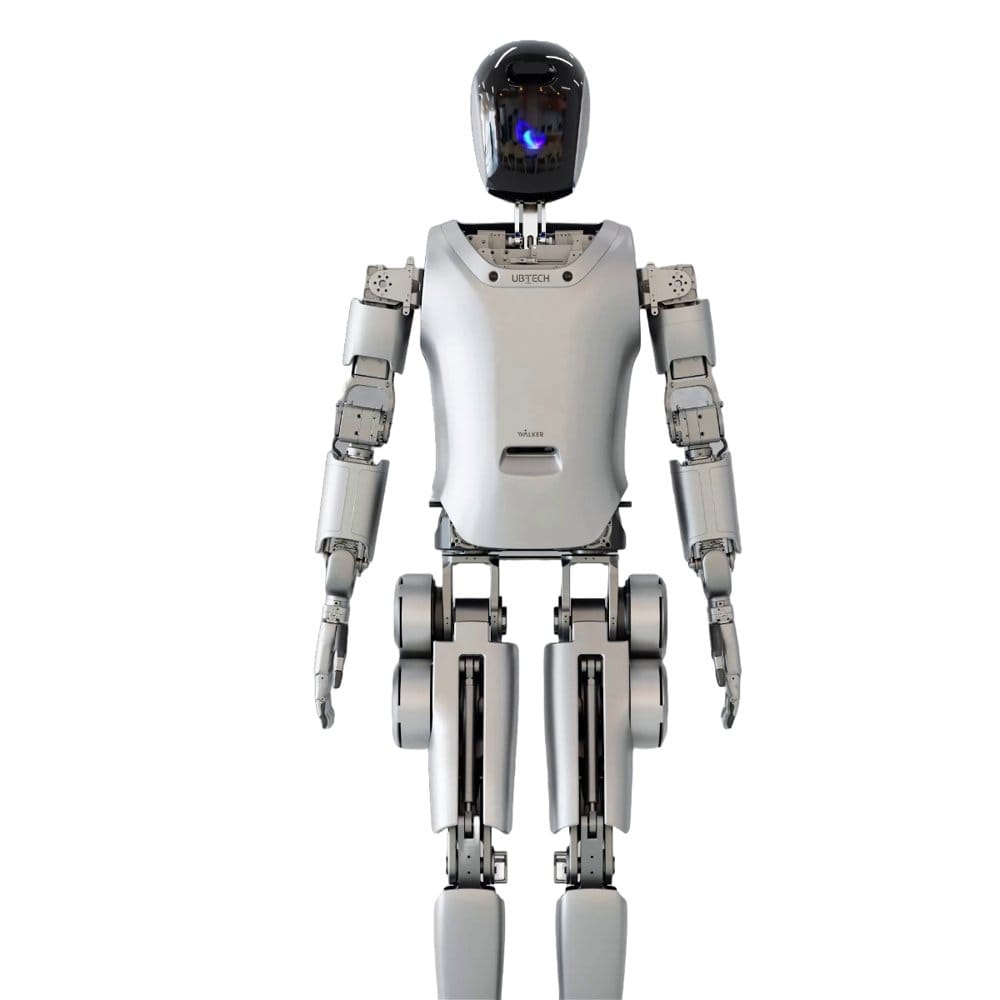
Industrial humanoids such as UBTECH Walker S are being tested in automotive plants on tasks like parts handling, box lifting and quality inspection. Their appeal is that they can slot into stations designed for people without rebuilding the line, and the same robot could switch between tasks during a shift.
For now, the humanoid’s role in factories is mostly pilot projects and R&D. On speed, runtime and reliability, AMRs are ahead. We compare Unitree’s humanoids in our G1, R1 and H1 guide.
Task-by-task comparison
| Task | Better fit | Why |
|---|---|---|
| Pallet transport | AMR such as MP2000 | High payload and long runtime |
| Parcel sorting | AMR fleet such as S20T | Speed and scalability |
| Moving small parts between racks and stations | AMR | Repetitive route on flat floors |
| Picking and placing at a station designed for people | Humanoid pilot | Two hands and human-scale reach |
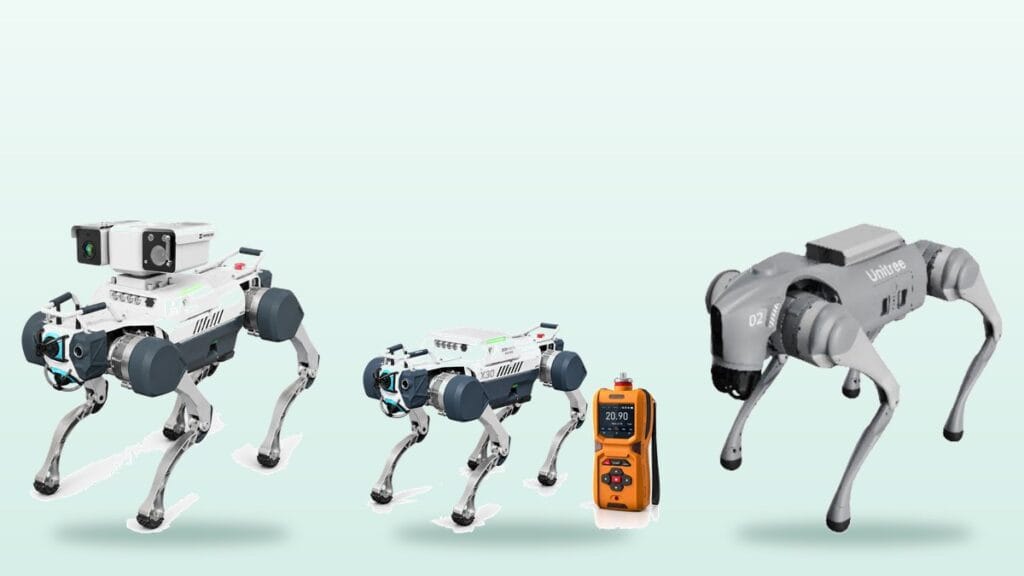
| Carrying items across stairs or steps | Humanoid or robot dog | Wheeled robots cannot climb steps |
| Varied, frequently changing tasks | Humanoid, in the longer term | Flexibility, but still maturing |
Safety rules in Europe
In Europe, AMRs that transport loads are generally assessed against ISO 3691-4, the safety standard for driverless industrial trucks, alongside the machinery rules behind CE marking. Humanoids are newer territory: the EU Machinery Regulation (EU) 2023/1230, which applies from 20 January 2027, pays closer attention to machines with self-evolving behaviour and autonomous mobility.
Whichever you choose, you remain responsible for a workplace risk assessment, and in many European companies works councils or staff representatives should be involved early. We summarise CE marking, VAT and delivery in our guide to buying a robot in Europe.
Which one should you choose?
If your site has a clearly defined, repetitive transport or sorting task, an AMR delivers a faster return today. Installation, maintenance and performance are measurable, and the integrator ecosystem is established.
A humanoid is a strategic experiment: sensible for companies with an R&D budget that want to prepare their lines for humanoids and learn the technology early. On many sites the realistic answer is both: AMRs handle heavy, repetitive transport while a humanoid is piloted at stations that need flexibility. Compare the warehouse robot and humanoid robot ranges side by side.
Referral note: When you request a quote from Robots Europa, mentioning Dijipedya and referral code 08AF5658 helps your enquiry be tracked correctly.
Frequently asked questions
What is the difference between an AMR and an AGV?
An AGV usually follows fixed paths such as floor tape or markers. An AMR builds its own map, plans routes and drives around obstacles.
Will humanoids replace AMRs?
Not in the short term. AMRs are faster and more efficient at defined tasks. Humanoids target spaces built for people and varied work.
Can a small business use AMRs?
Yes. You can start with a single pallet robot and grow the fleet. The key requirements are suitable floors, aisle widths and Wi-Fi coverage.
Which safety standard applies to AMRs in Europe?
AMRs carrying loads are generally assessed against ISO 3691-4 together with the EU machinery rules. Your integrator and safety team should confirm what applies to your site.
Compare warehouse AMRs and industrial humanoids and request a quote for your site in Europe.
Affiliate link: we may earn a commission if you buy through it, at no extra cost to you.
More from Dijipedya English
- Unitree G1 vs R1 vs H1
- What Robot Dogs Actually Do in Factories
- Commercial Cleaning Robots: 7 Things to Check
- Buying a Robot in Europe
- Business Robots in 2026: A Buyer’s Guide
- Truck Unloading Robots
- Best Cobots for Small Manufacturers
- Autonomous Forklifts Guide
- Industrial and Field Robots Guide
- Wheeled Humanoid Robots
- Industrial Delivery Robots