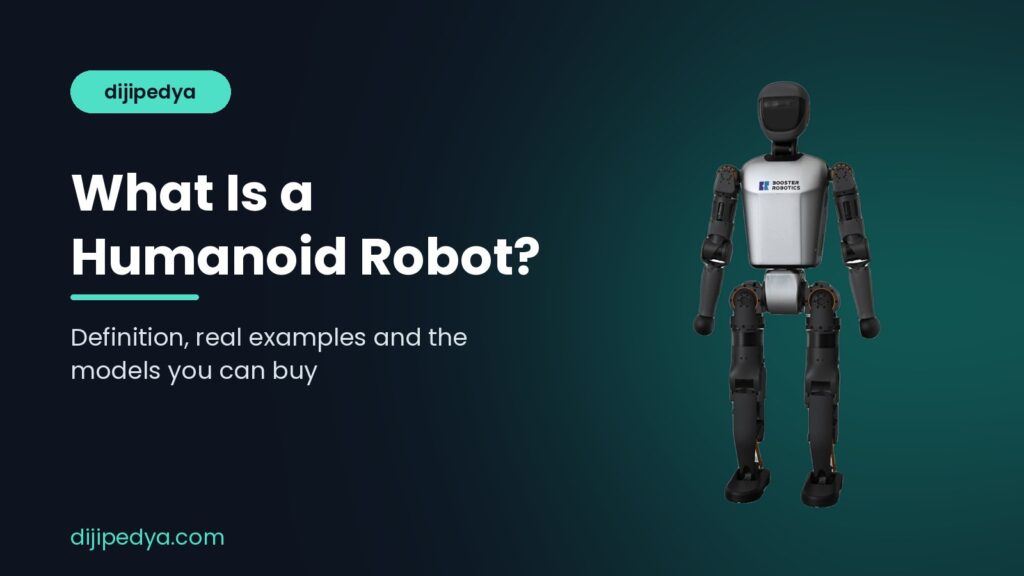
A humanoid robot is a robot built with a human-like body: a torso, a head, two arms and, in most cases, two legs. The point of the shape is practical. Our homes, factories and shops are designed for people, with stairs, door handles, shelves and tools at human height, so a robot with a human layout can in principle work in them without the building being changed.
This guide covers what humanoid robots are, how they work, which famous examples exist, which ones you can actually buy in 2026 and what they cost. Prices are Robots store list prices checked on 16 October 2026. Specifications come from manufacturer and distributor pages; we have not lab-tested these robots.
Contents
Humanoid robot definition
The word humanoid means human-shaped. In robotics it describes any robot whose body plan copies a human one closely enough to use human spaces and tools. Some researchers count robots with a human upper body on a wheeled base. Others reserve the word for full bipedal robots that walk on two legs. Both are sold as humanoids today, so this guide covers both.
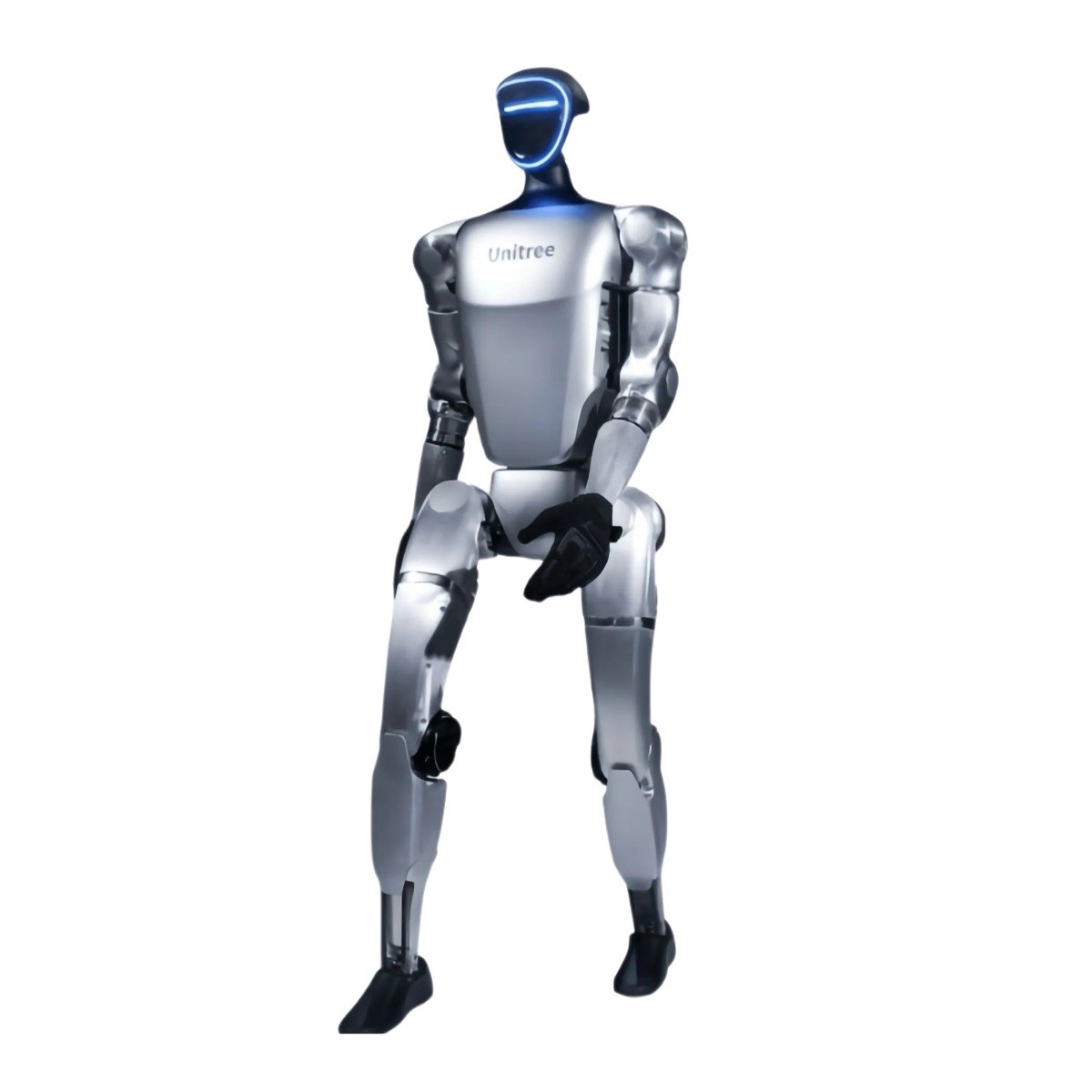
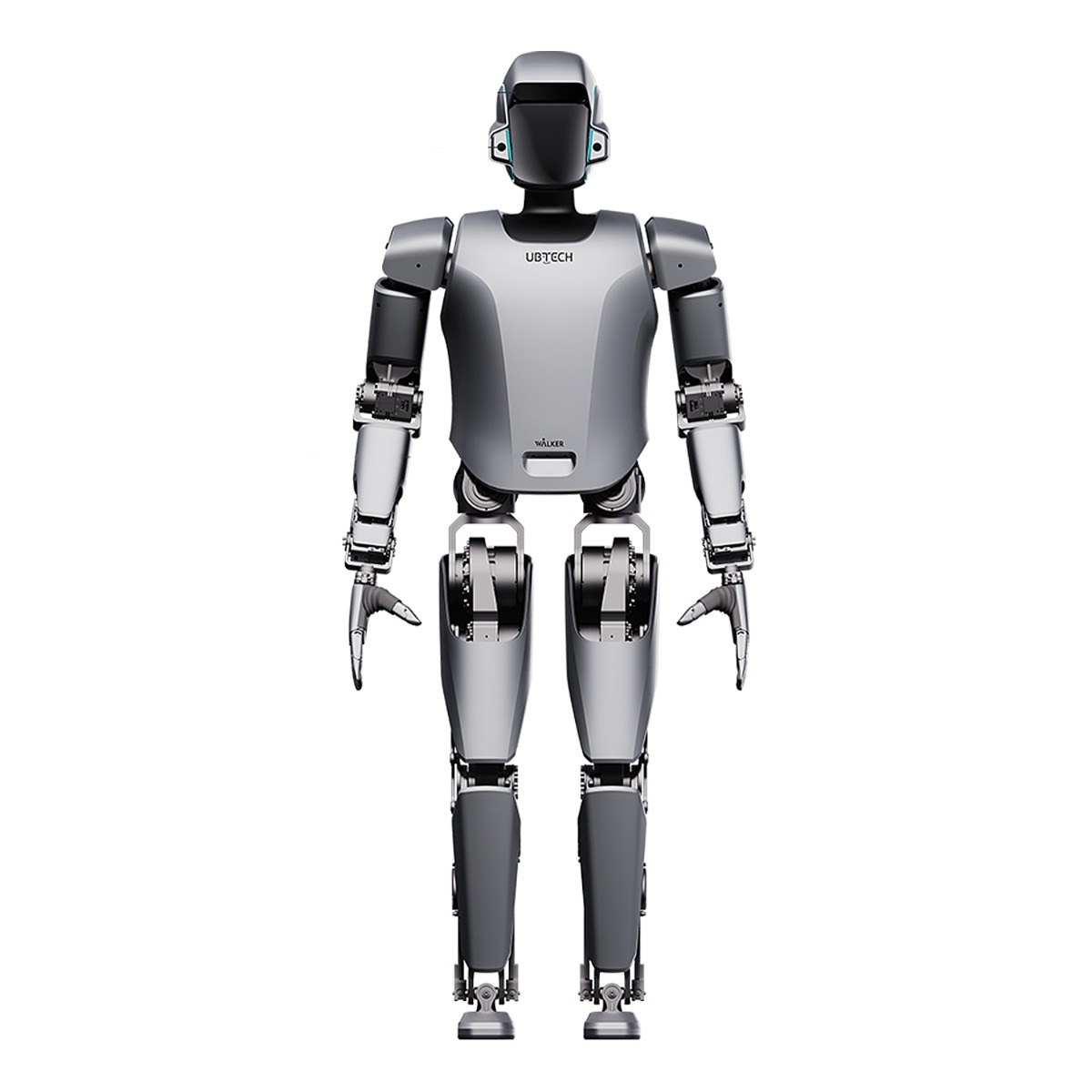
Humanoid is not the same as android. An android is a humanoid designed to look like a person, often with artificial skin and a realistic face, such as Ameca or Sophia. Most working humanoids, including Unitree G1 or UBTECH Walker S1, have a clearly mechanical look.
How humanoid robots work
1Actuators
A typical full-size humanoid has 20 to 40 motors, called degrees of freedom. Legs need about six each, arms six or seven each, and hands can add another 6 to 20 per side if they have fingers. Every motor sends position and force data back to the controller.
2Perception
Depth cameras, LiDAR and microphones in the head and chest build a picture of the room. An IMU in the torso keeps track of balance, just like the inner ear does for people.
3Balance and walking
Walking on two legs is unstable by design. Modern humanoids learn to walk in physics simulators using reinforcement learning, then the trained policy runs on the real robot hundreds of times per second.
4Task intelligence
For manipulation tasks, newer robots use vision-language-action models that turn a camera image and a spoken instruction into arm movements. This is still an active research area, which is why most buyers today are labs and developers.
A short history
Early humanoids came from Japan. Waseda University built WABOT-1 in 1973, and Honda showed ASIMO in 2000, which became the public face of walking robots for two decades. Boston Dynamics’ Atlas made acrobatics famous in the 2010s. Since 2023 the field has changed fast: Tesla announced Optimus, Figure and 1X raised large funding rounds, and Chinese makers such as Unitree, UBTECH, Booster and EngineAI brought humanoids to market at prices that labs and companies can afford.
Types of humanoid robots
| Type | What it is | Typical price | Example |
|---|---|---|---|
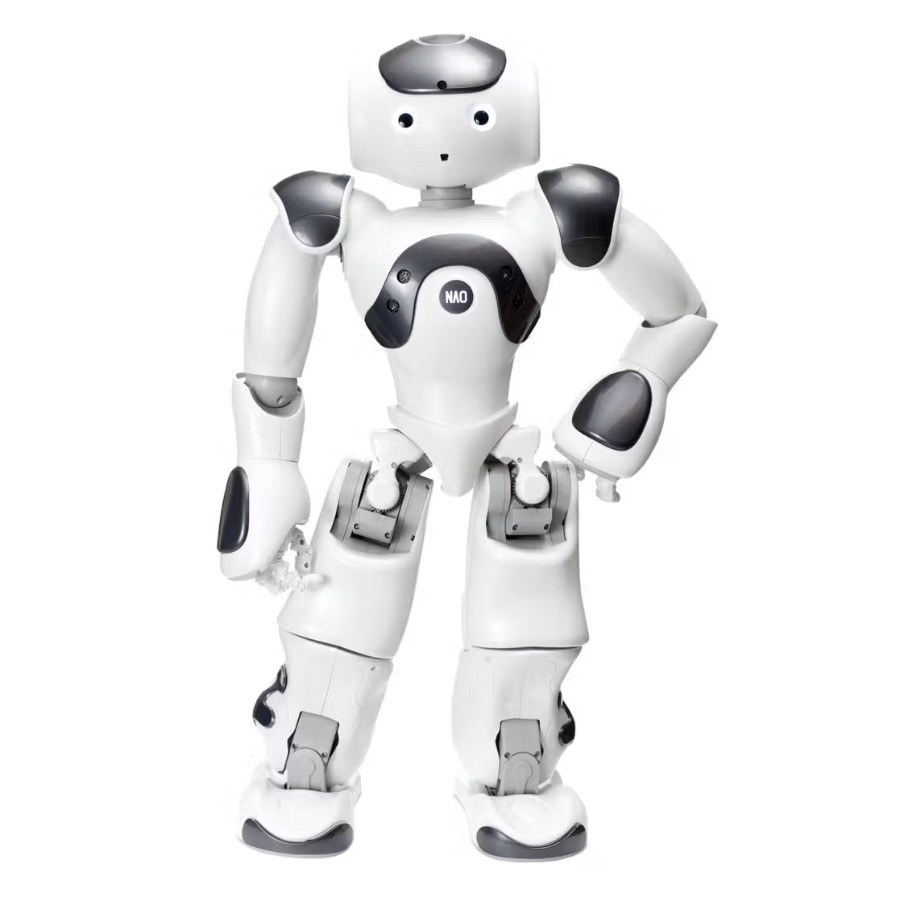
| Small and education humanoids | Knee-high to child-sized, for teaching, coding and demos | €4,500 to €20,000 | Noetix BUMI (€5,501), NAO V6 (€18,385) |
| Mid-size bipedal | About 1.2 to 1.4 m tall, agile, popular in research | €6,000 to €45,000 | Unitree R1 Air (€6,304), Unitree G1 (€18,381) |
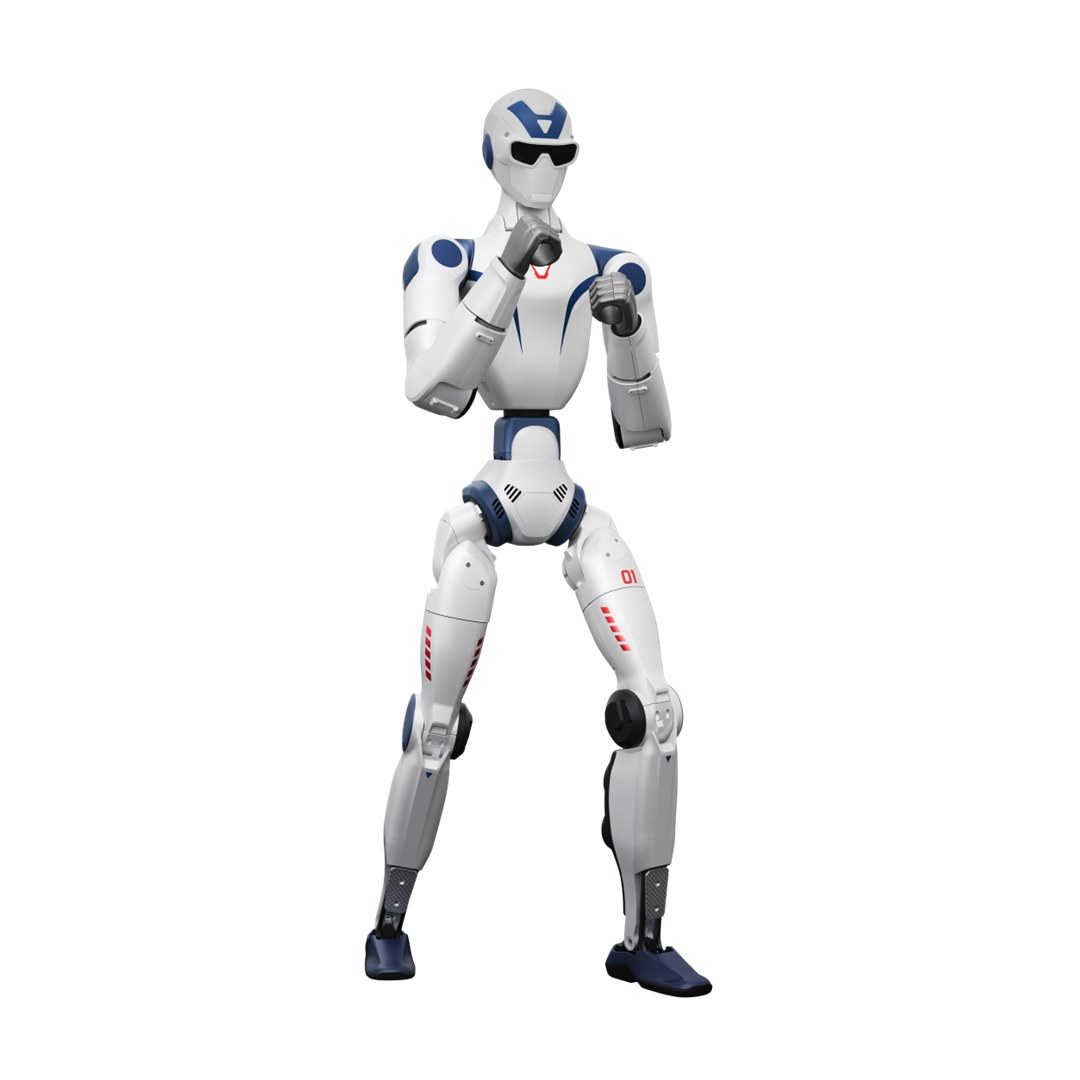
| Full-size bipedal | Adult height, built for real tasks and payloads | €27,000 and up | Booster T1 (€27,345), UBTECH Walker S1 (€34,411) |
| Wheeled humanoids | Human upper body on a mobile base, stable and practical indoors | €14,000 and up | Mercury X1 (€14,681), Pepper (€36,767) |
| Upper-body humanoids | Torso, arms and head on a fixed stand for manipulation research | €25,000 and up | UBTECH U1 Lite (€25,234) |
Wheeled humanoids are covered in more depth in wheeled humanoid robots compared.
Famous humanoid robots
| Robot | Maker | Can you buy it? |
|---|---|---|
| Optimus | Tesla | Not on general sale yet. Listed by Robots for enquiries: Tesla Optimus |
| Atlas | Boston Dynamics | No, research and partner pilots only |
| Figure 03 | Figure AI | No public price; commercial pilots |
| NEO | 1X | Pre-orders for home use, limited regions |
| Digit | Agility Robotics | Business sales; listed for enquiries: Agility Digit |
| NAO and Pepper | SoftBank Robotics | Yes: NAO V6 (€18,385), Pepper (€36,767) |
| G1, R1, H1, H2 | Unitree | Yes: from €6,304 |
| Walker S1 | UBTECH | Yes: €34,411 |
| Sophia, Ameca | Hanson Robotics, Engineered Arts | Show and research robots, not sold as products |
Humanoid robots you can buy today
These are the humanoids with a public list price in the Robots catalogue. Many come in several versions; the price shown is the entry version.
| Model | Height class | Best for | List price |
|---|---|---|---|
| Noetix BUMI | Small | Education, demos | €5,501 |
| Unitree R1 Air | Mid-size | Hobby, demos | €6,304 |
| Booster K1 Geek | Small | Developers, robot football | €6,882 |
| Unitree R1 Basic | Mid-size | Demos, entry research | €9,167 |
| Unitree G1 Basic | Mid-size | Research, events | €18,381 |
| SoftBank NAO V6 | Small | Schools, universities | €18,385 |
| EngineAI PM01 | Mid-size | Research | €23,901 |
| Booster T1 | Full-size | Research, competitions | €27,345 |
| UBTECH Walker S1 | Full-size | Industrial pilots | €34,411 |
| Unitree H2 | Full-size | Research, pilots | €34,473 |
| Unitree G1 EDU | Mid-size | University labs | €38,380 |
| Unitree H1 | Full-size | Research | €87,244 |
Compare humanoid robot versions and current prices.
Product links go to Robots stores (Europe, USA and other regions) through our partner link. If you buy through them, Dijipedya may earn a commission at no extra cost to you.
Choosing between versions often comes down to software access. A cheaper basic version may only run preset motions, while an EDU version lets you program it. We explain this in why SDK access matters, and compare Unitree’s range in Unitree G1 vs R1 vs H1. For other brands see the best Unitree alternatives, and for a buying checklist see humanoid robots for sale.
What humanoids are used for
- Research and education: the biggest market today. Universities use humanoids to study walking, manipulation and AI. See setting up a robotics lab.
- Factory pilots: carmakers and logistics firms test humanoids for moving boxes and parts. For most factories an AMR is still the better first step; we compare them in humanoid robot or AMR.
- Retail, reception and events: greeting visitors, giving directions and drawing crowds. See reception robots.
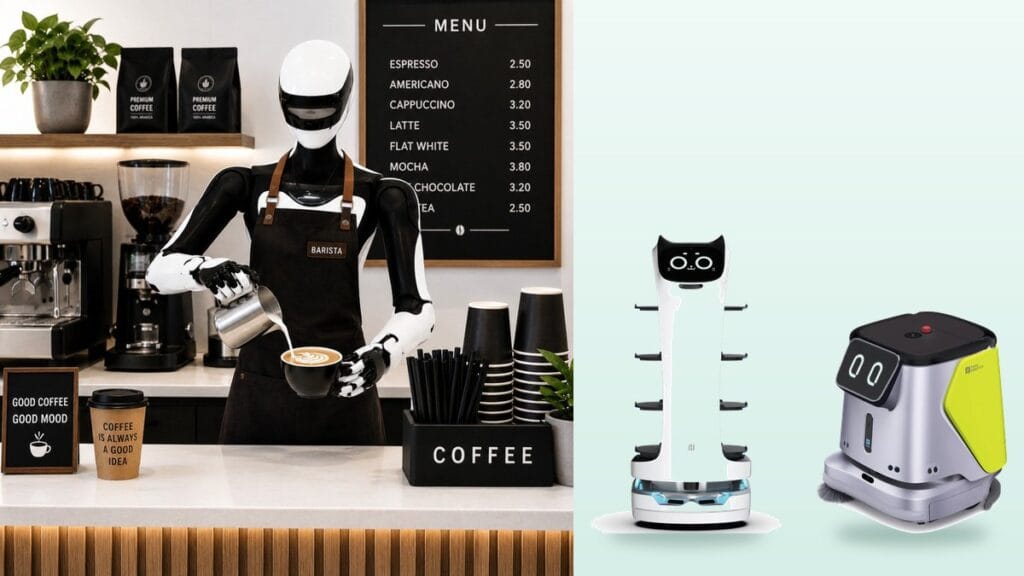
- Hospitality: coffee and drinks demonstrations, as in RoboBarista on Unitree G1.
- Home help: the long-term goal. Laundry, tidying and fetching are being demonstrated, but no humanoid is yet a reliable household helper.
What they still cannot do
Battery life is usually one to four hours of active work. Hands are the weak point: picking up soft, small or unfamiliar objects is still hard. Most humanoids need a trained operator, a clear workspace and a safety plan. And while prices have fallen sharply, a humanoid that does useful work all day still costs more than the simpler machine that would do the same task. Buy one to learn, research or demonstrate; expect general-purpose household help later.
Frequently asked questions
What is a humanoid robot?
A humanoid robot is a robot with a human-like body, usually a torso, head, two arms and two legs, designed to work in spaces and with tools made for people.
How much does a humanoid robot cost?
Small education humanoids start around €4,500 to €6,000. Mid-size models such as Unitree R1 and G1 cost about €6,300 to €18,000 for basic versions, and full-size humanoids start around €27,000 (Robots list prices, October 2026).
What is the cheapest humanoid robot?
Among walking humanoids with a public price, Noetix BUMI, Unitree R1 Air and Booster K1 Geek are the most affordable, at roughly €5,500 to €6,900.
Can I buy a Tesla Optimus?
Not yet as a general consumer product. Tesla has shown Optimus in demos and its own factories; the Robots catalogue lists it for enquiries only.
What is the difference between a humanoid and an android?
A humanoid has a human-like body shape. An android is a humanoid designed to look like a real person, often with a realistic face and skin.
Are humanoid robots useful at home yet?
Not as general helpers. They can be programmed for demonstrations and simple tasks, but reliable household work such as cleaning and laundry is still in development.
New robots, price changes and buying guides, once a week in your inbox.
Related guides on Dijipedya
Sources: Robots Europa product catalogue and price list (16 October 2026); manufacturer pages for Unitree, UBTECH, Booster Robotics, Noetix, EngineAI and SoftBank Robotics; Honda ASIMO and Waseda University WABOT history pages.